
The journal
Is it safe to defrost bread on the counter?
Clear guidance on when it’s fine to thaw plain bread at room temperature, and when to switch to the refrigerator for safety. Practical timings and texture-saving methods.
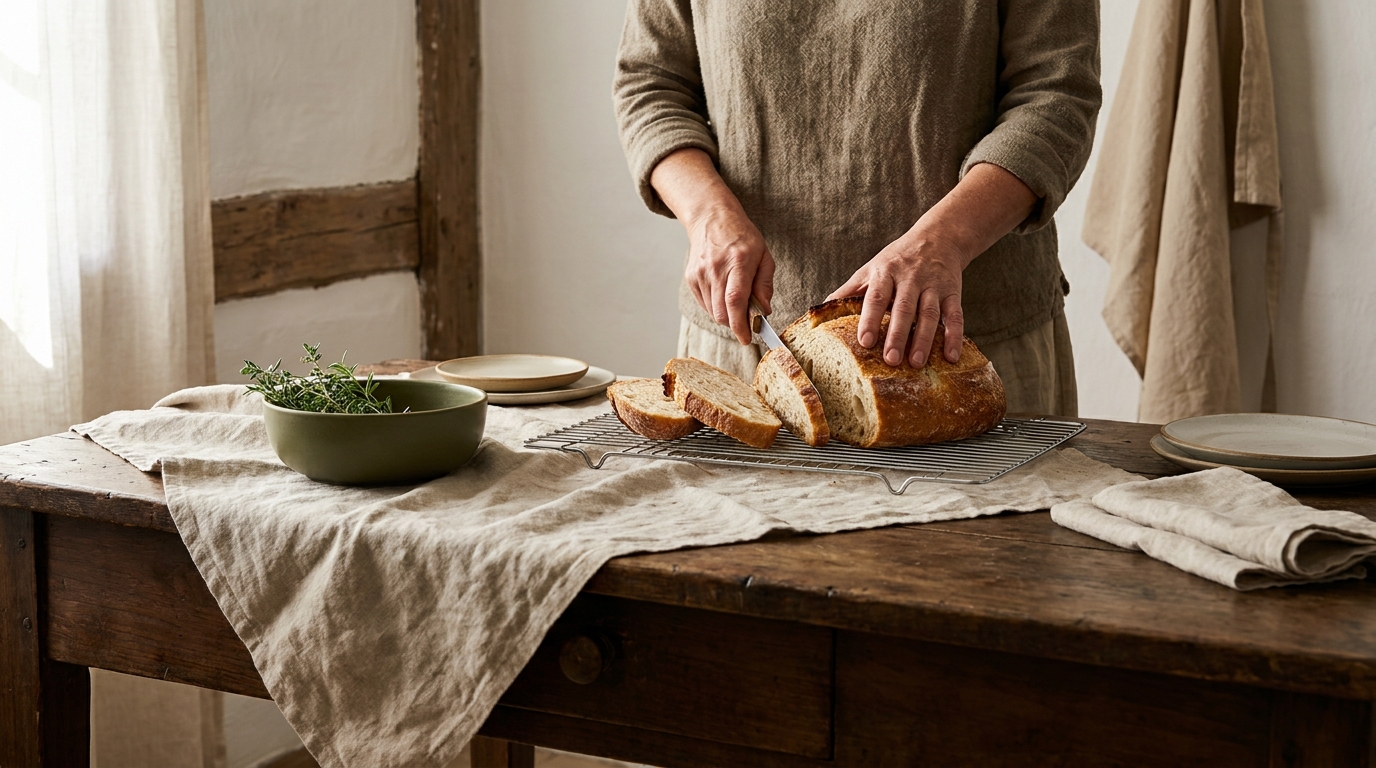
Short answer: Yes, for plain bread with no perishable fillings, thawing on the counter for a short period is commonly recommended by baking and consumer sources. If the bread contains perishable fillings (meat, poultry, seafood, eggs, dairy-based spreads, custards) or the package says keep refrigerated, thaw it in the refrigerator instead to follow food-safety guidance.
Room-temperature thawing for plain bread is presented as workable by several reputable guides, including King Arthur Baking and Healthline, which also offer direct-to-heat options to preserve texture King Arthur Baking Healthline. By contrast, quality-focused outlets argue you’ll get better texture by heating rather than letting bread sit out Epicurious Food Republic. For perishable fillings, U.S. FDA guidance advises against thawing such foods on the counter, favoring the refrigerator, cold water, or microwave with immediate cooking FDA Safe Food Handling FDA: Are You Storing Food Safely?.
When counter-thawing is fine
Plain bread only (no perishable fillings)
For standard loaves, rolls, and sliced bread without perishable fillings, room-temperature thawing is widely used:
- Pre-sliced bread: about 30 minutes on the counter, or toast directly from frozen King Arthur Baking.
- Individual rolls/buns: roughly 1 hour at room temperature King Arthur Baking.
- Whole loaves: about 2 to 3 hours depending on size and kitchen temperature King Arthur Baking Healthline.
Healthline notes you can simply thaw bread on the counter or in the fridge, then refresh briefly in a 350 F oven if you want a crisper crust Healthline. King Arthur similarly suggests re-crisping artisan loaves in a 350 F oven for a few minutes after they thaw King Arthur Baking.
When you should not thaw on the counter
Breads with perishable fillings or items labeled keep refrigerated
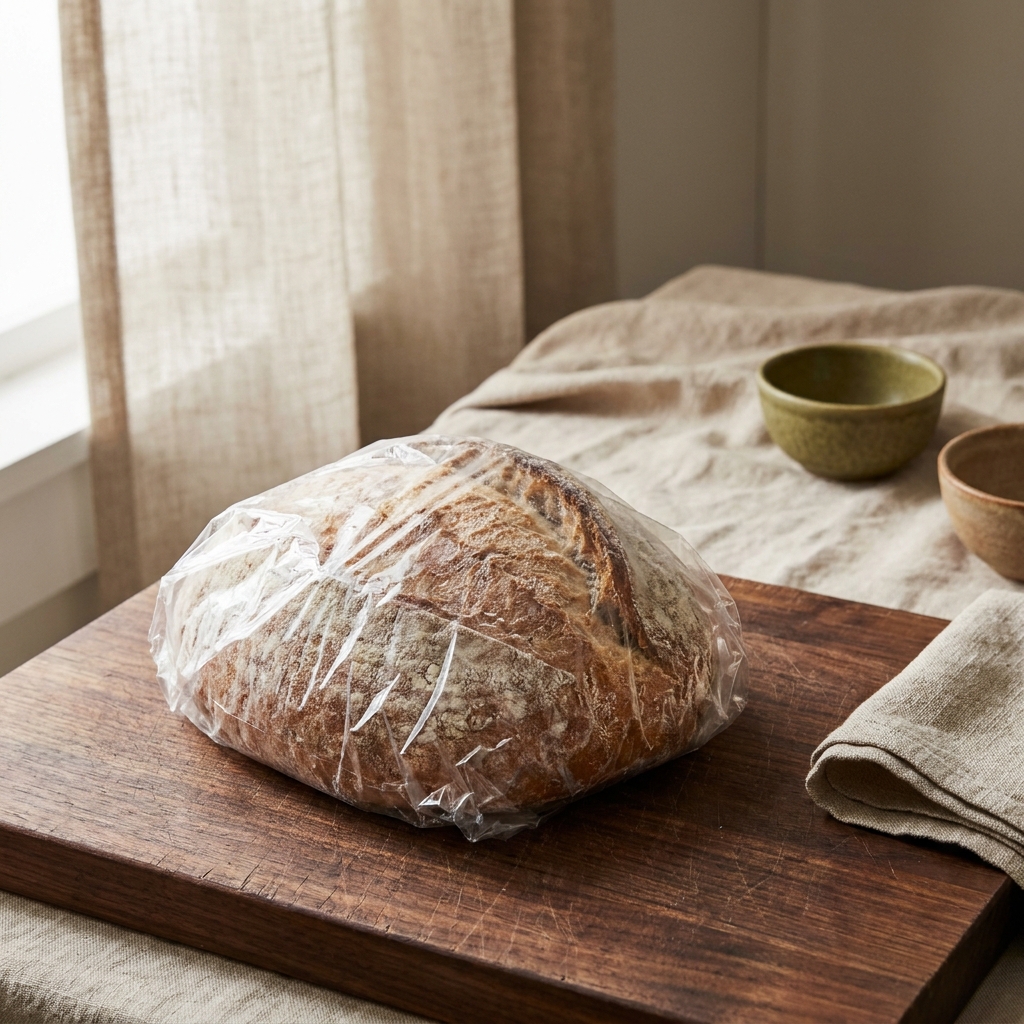
If bread is stuffed or topped with perishable foods (such as meats, poultry, seafood, egg salad, cheese or dairy-based spreads, or custard fillings), treat it like a perishable item: thaw in the refrigerator. FDA consumer guidance advises never to thaw perishable food on the counter and to limit time at room temperature, steering you to the refrigerator, cold water, or microwave with immediate cooking as safe methods FDA Safe Food Handling FDA: Are You Storing Food Safely?. Always follow any thawing or storage instructions printed on your package.
Texture trade-offs and faster alternatives
Many baking editors recommend heat-based thawing because sitting at room temperature can hasten staling. Epicurious advises heating instead of counter-thawing to keep the crumb springy, suggesting 325 F for slices or 20 to 30 minutes for a whole loaf Epicurious. Food Republic likewise cautions that counter-thawing encourages starch retrogradation and dryness, and recommends reheating promptly instead Food Republic. King Arthur notes you can microwave a slice in a pinch, but quality drops quickly; enjoy immediately if you do King Arthur Baking.
Practical methods
1) Counter-thaw for plain bread (convenience)
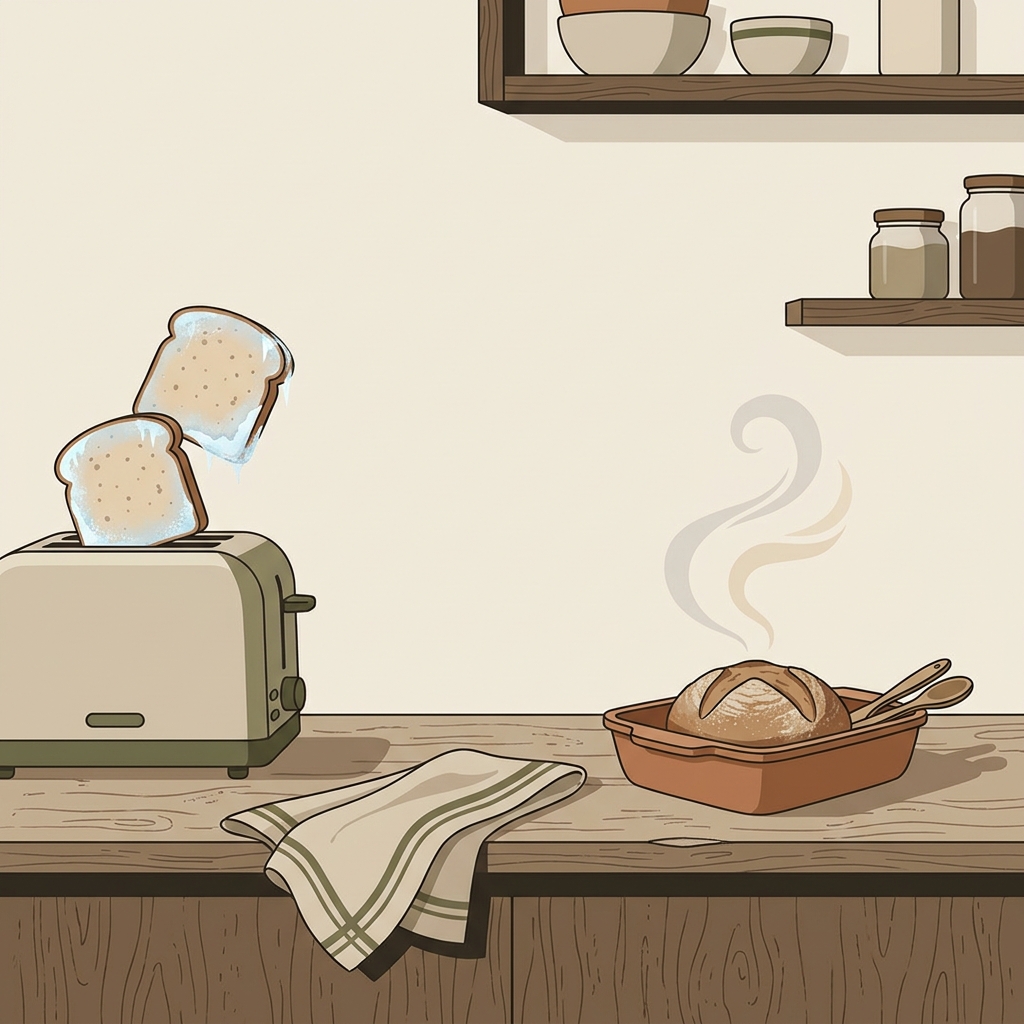
Keep plain bread in its packaging and thaw at room temperature until just soft: slices about 30 minutes, rolls about 1 hour, whole loaves 2 to 3 hours. For a better crust, give artisan loaves a brief 350 F refresh before serving King Arthur Baking Healthline.
2) Direct-to-heat (best texture, fastest)
- Toast slices straight from frozen for immediate use King Arthur Baking.
- Oven: 325 F for about 5 minutes for slices, or 20 to 30 minutes for a whole loaf until the center is soft Epicurious.
- Microwave: 30 to 45 seconds for a slice in a pinch; eat right away to avoid rapid staling King Arthur Baking.
3) Refrigerator thaw (safest for perishable fillings)
Move filled breads or anything labeled keep refrigerated to the fridge to thaw. FDA guidance favors refrigerated thawing for perishable foods and advises against counter-thawing them FDA Safe Food Handling.
Pick the right thaw for your bread today
Common pitfalls
- Letting bread sit out too long: quality drops as starches retrograde; heat it instead of extended counter-thawing for best texture Epicurious Food Republic.
- Soggy or soft crust after thawing: give a brief 350 F oven refresh to re-crisp King Arthur Baking.
- Repeated freeze-thaw cycles: expect declining flavor and texture; portion and freeze what you’ll use Epicurious.
Related on Stirred Daily
Bottom line: For plain bread, counter-thawing is reasonable and widely practiced; for the best texture, use the toaster or oven. For breads with perishable fillings or anything labeled keep refrigerated, thaw in the fridge and follow the package directions.

Related guides
Product options for this topic
As an Amazon Associate I earn from qualifying purchases. These are researched options, not hands-on test results. Check the exact size or model, current price and availability on Amazon.
| Product option | Fit and limits to check | Retailer |
|---|---|---|
| OXO Good Grips 11-pound kitchen scale | A kitchen-scale candidate for weighing flour and water. Check minimum increments and capacity; very small yeast quantities may need a finer scale. | View on Amazon |
| OXO Good Grips bench scraper | A bench tool for dividing dough and clearing a work surface. Check compatibility with delicate countertops before scraping. | View on Amazon |