
The journal
Is it better to store fresh bread in paper or plastic? Practical guidance for home bakers
how to store homemade bread, paper vs plastic: clear guidance, quick checklists, and freezer tips to keep loaves tasting their best.
Quick answer and why storage matters
Short verdict: how to store homemade bread
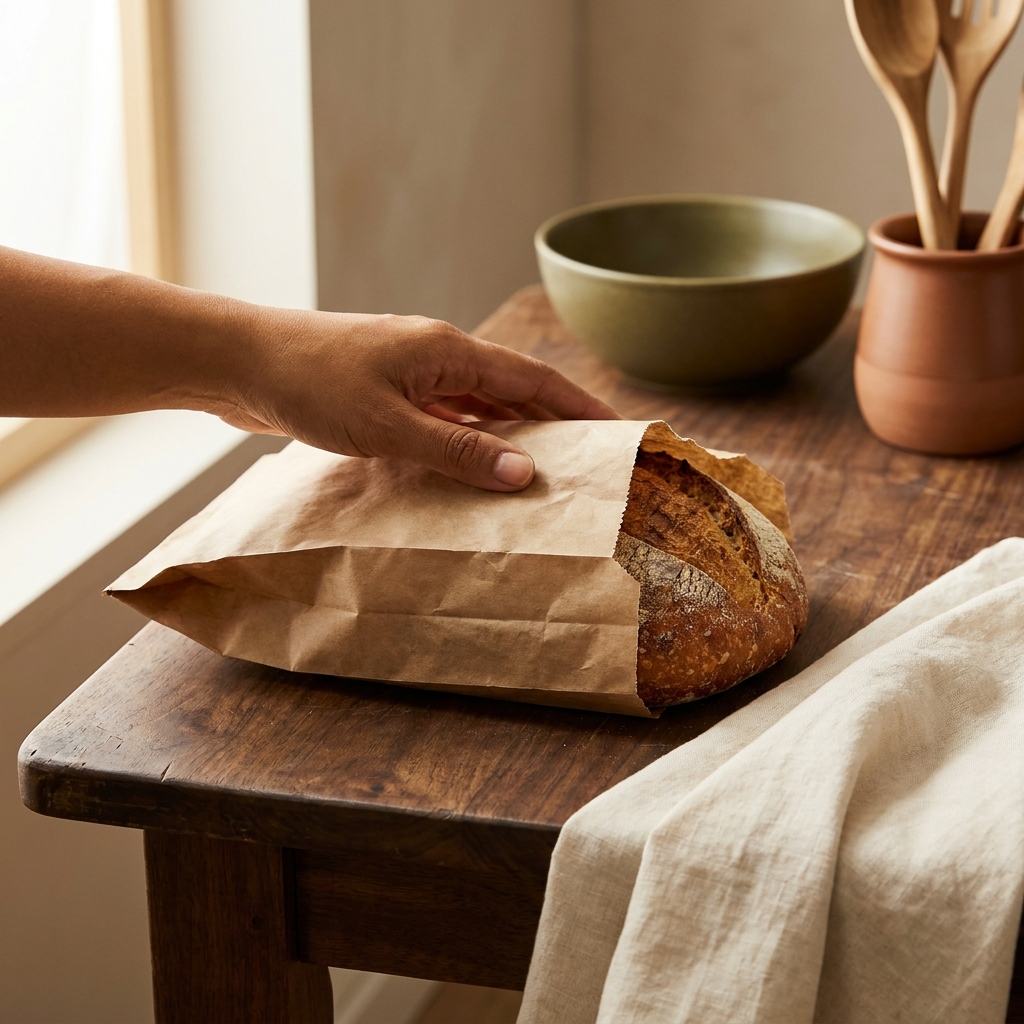
Short verdict first: for same-day or next-day eating, keep crusty loaves in a paper bag to preserve the crust and let the crumb settle; for enriched or sandwich loaves you plan to eat within a few days, a clean plastic bag or airtight container will keep the crumb soft.
Storage matters because bread quality depends on two main elements: the crust, which gives a pleasing contrast, and the crumb, which determines chew and moisture. How you wrap and where you store a loaf shifts moisture between those two elements and changes how quickly the loaf will dry out or soften.
Is it better to store fresh bread in paper or plastic?
For crusty loaves eaten within 48 hours, paper preserves crust crispness; for soft or enriched loaves you want tender crumb for a day or two, plastic or an airtight container is better, and for longer storage freeze the loaf.
Different loaves and climates change the optimal choice, and when in doubt for longer storage, freezing is the safest option to preserve texture and flavor.
Throughout the article I use simple, kitchen-focused language so you can act while the loaf is still warm or cooling. See our baking and bakeware guide for related equipment advice.
How paper and plastic each work: mechanisms and trade-offs
Paper and plastic do opposite jobs with moisture. A paper bag lets a little moisture escape and allows the crust to remain drier and crisper, while a plastic bag traps moisture and keeps the crumb softer but will usually soften the crust. Knowing the mechanics helps you pick for the loaf and the time frame.
Paper works by allowing moisture to move from the loaf into the air; the bag then vents that moisture slowly. That limited exchange prevents the loaf from sweating inside an enclosed space, so a crusty exterior stays more texturally distinct. The downside is that the crumb will lose moisture faster than inside plastic, so the loaf can feel drier after a day or two. Resources such as The Kitchn's test reach similar conclusions.
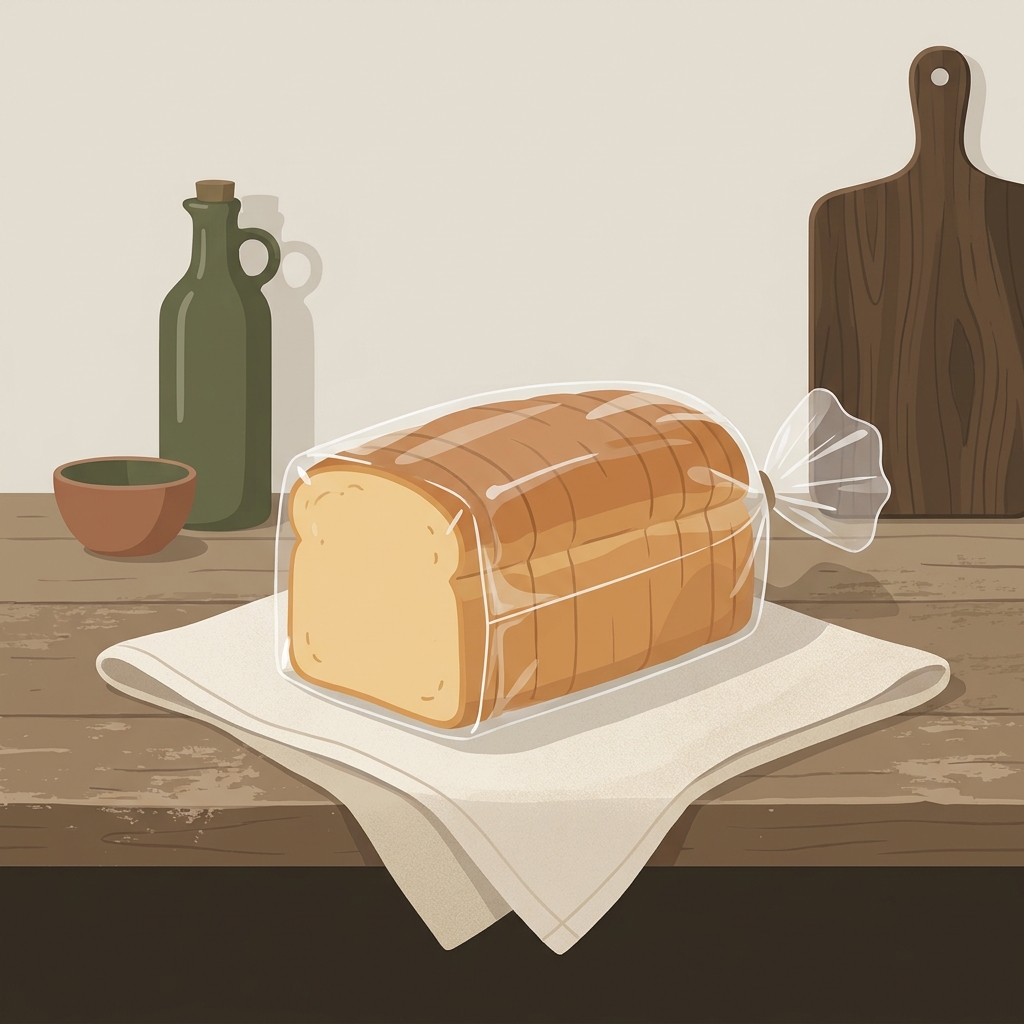
Plastic traps water vapor against the loaf. If a warm loaf is sealed in plastic, condensation can form and drip back onto the crust, quickly making a crust soft and sometimes a little tacky. However, that trapped moisture keeps the crumb tender and slows the rate at which the loaf goes stale, so sandwich breads or enriched loaves often do better in plastic for short-term storage.
Situational factors change the trade-off. In a dry, cool kitchen a paper bag performs longer before the crumb noticeably dries. In a humid kitchen, paper may not protect against mold as well because ambient moisture reduces the driving gradient that encourages moisture to leave the loaf. Likewise, a very crusty artisan loaf and a soft brioche will respond differently to the same wrap.

How storage affects crust and crumb
The crust is primarily a thin, dry shell created during baking. When it meets moisture trapped inside a sealed bag, that shell absorbs some water and loses crispness. The crumb is the interior moisture and structure; it benefits from retained humidity to stay tender. That simple inverse relationship explains why paper preserves crust while plastic preserves crumb. FoodChemBlog details the chemistry of this moisture exchange.
Condensation is the main practical problem when sealing bread too soon or too tightly. Avoid sealing a loaf while it is still noticeably warm. Let it cool so trapped steam does not create water on the crust, which accelerates softening and can encourage mold if stored for several days.
A practical framework to choose: loaf type, timing, and climate
Use three factors to decide: the loaf type, how long you plan to keep it, and your room humidity or temperature. Answer those and you have a straightforward choice between paper, plastic, or immediate freezing. See our storage guide for checklists and quick reference tips.
Short decision checklist to choose paper, plastic, or freeze
Loaf type matters because crust thickness and butter or sugar content change how quickly the crumb dries or how fragile the crust is. An artisan sourdough has a thick crust and benefits from paper when eaten within 48 hours. A soft sandwich loaf or enriched brioche will feel better in plastic for a day or two.
Timing: for same-day eating to 48 hours, prefer paper for crusty loaves and plastic for soft loaves. For multi-day storage beyond 48 hours, freezing is usually the best option because it suspends staling reactions and preserves crumb moisture when done correctly.
Step-by-step decision checklist
Start by asking: is the loaf still warm? If yes, cool first on a rack. Is the loaf crusty or soft? If crusty and you will eat it soon, pick paper. If soft or enriched and you want softness, pick plastic. If you plan to keep it longer than two days, portion and freeze.
Room climate tweaks the rules. In humid climates, paper may not do as well at preventing mold because the ambient air already holds moisture. In very dry climates, paper can speed dryness of the crumb. Adjust by shortening room storage time or choosing plastic for sandwich loaves in dry areas.
Common mistakes and how to avoid them
Many of the problems bakers see come from timing and heat. The most frequent mistake is wrapping a loaf while it is still warm. That traps steam and causes condensation, which softens the crust and can leave the loaf soggy inside the wrap.
Another common error is over-wrapping bread in multiple layers of plastic without slitting or allowing brief airing. That approach kills the crust and increases the chance of mold if storage stretches beyond a couple of days.
Mistakes that ruin crust or encourage mold
1. Sealing a warm loaf. Fix: cool completely on a rack until steam stops rising before wrapping.
2. Storing in a closed, humid spot like above a dishwasher. Fix: choose a cool, dry shelf away from heat and direct sunlight.
3. Reusing a damp paper bag. Fix: use a clean, dry bag or fresh paper each time.
Missteps when using paper or plastic
Paper can be left open slightly at the top to maintain crust without fully exposing the crumb to air. Plastic should be used only when the loaf is cool and the bag has been dried; leave a small vent or fold rather than sealing airtight for loaves you will eat in a day or two. For more on practical wrapping techniques see Mill's how-to guide.
Troubleshooting soggy or stale bread depends on the problem. If soggy from condensation, open the wrap, pat dry any wet spots, and refresh the crust by heating in a hot oven for a few minutes. If stale and dry, briefly steam or toast slices to restore palatability, or use the bread in recipes like bread pudding or croutons.
Practical scenarios and step-by-step examples
Below are precise walks for common situations, written like kitchen recipes so you can follow them as you handle the loaf.
Scenario one, storing a crusty sourdough for 48 hours.
1. Cool the whole loaf on a wire rack until the crust stops releasing steam. This can take 1 to 2 hours depending on loaf size.
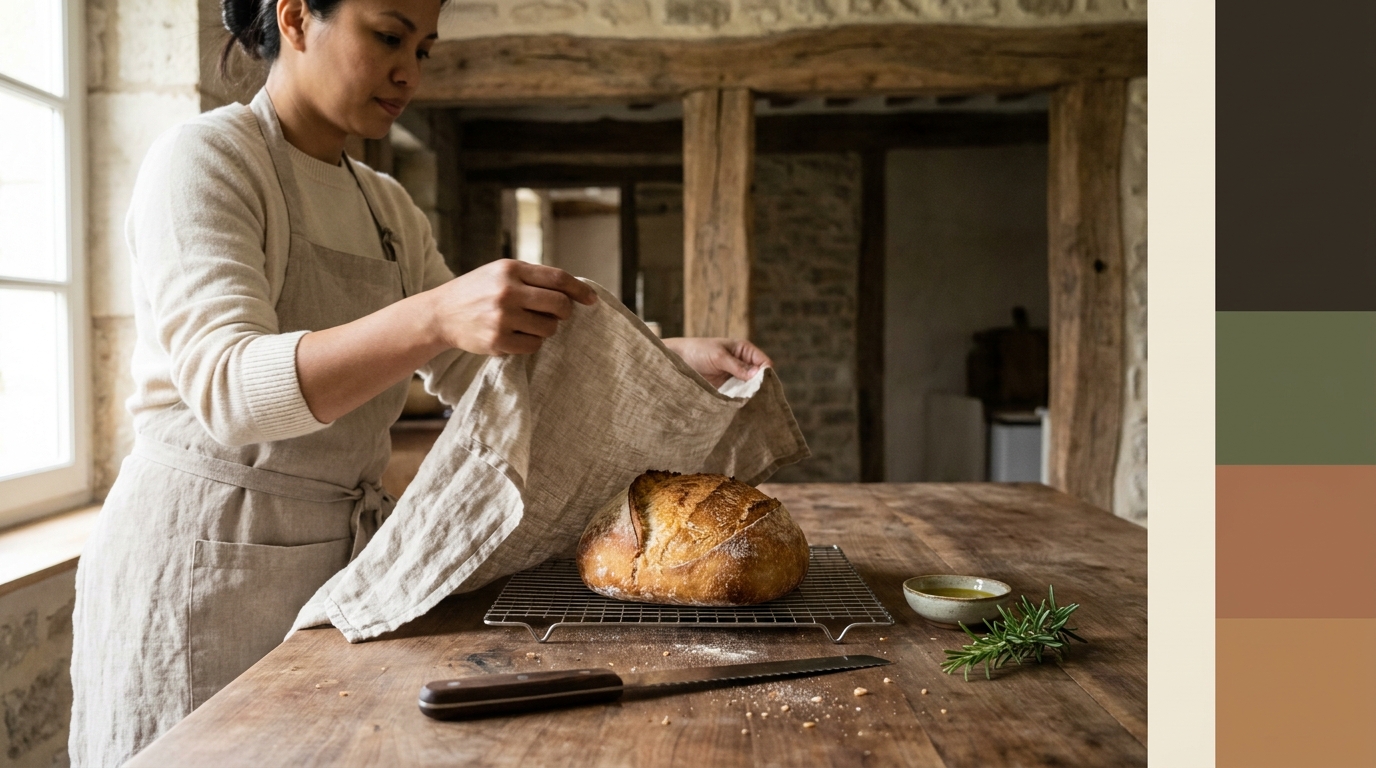
2. Place the loaf into a paper bag or wrap it loosely in a clean kitchen towel. Fold the top closed but do not seal tightly; allow air to move slowly.
3. Store at room temperature on a countertop or bread box away from direct heat. For up to 48 hours the crust will remain reasonably crisp and the crumb will stay pleasant.
Scenario two, keeping sandwich bread soft for toast the next morning.
1. Let the loaf cool fully. If you plan to slice now, cut the number of slices you will use soon and leave the rest unsliced; sliced bread dries faster.
2. Slide the loaf or remaining unsliced portion into a clean plastic bag or airtight container and remove excess air before sealing. Store on a cool shelf. The crust will be softer but the crumb will stay tender for the next day or two.
Scenario three, freezing excess loaves and thawing them well.
1. Cool completely. 2. Slice if you plan to thaw individual portions. 3. Wrap portions tightly in plastic film or use freezer bags, and label with date. 4. Freeze flat so slices are easy to separate later.
To thaw, move slices to the fridge overnight or toast straight from frozen for single slices. For whole loaves, thaw at room temperature still wrapped to avoid surface drying, then refresh the crust in a hot oven for 5 to 10 minutes.
Practical scenarios and alternatives when you lack specific items
If you do not have a bread box or freezer bags, a clean cotton or linen towel around the loaf can substitute for a paper bag for short-term storage. For freezing without freezer bags, wrap tightly in several layers of cling film and then again in foil to reduce freezer burn.
When you have neither paper nor plastic, slice what you will eat and keep the rest unsliced and uncovered only for a couple of hours; the loaf will always do best once fully cooled and wrapped soon after cooling.
Summary and best-practice checklist
Keep this single-page checklist near your cooling rack and see our storage guide.
- Cool fully before wrapping.
- Paper or towel for crusty loaves you will eat within 48 hours.
- Plastic or airtight container for soft or enriched loaves you want tender crumb for 1 to 3 days.
- Freeze for storage beyond two days; slice before freezing if you want individual portions.
- Avoid storing in warm, humid spots; use a cool, dry shelf.
Quick experiments help you adapt rules to your kitchen. Try the same loaf half in a paper bag and half in a plastic bag overnight and note crust crispness and crumb moisture in the morning. Record temperature and humidity and use that record to refine your choice for future bakes.
Final encouragement: no single rule fits every loaf and every kitchen. Use the checklist, keep notes, and adjust based on loaf type and climate. With a few simple tests you will find the balance that keeps your loaves tasting best.
Frequently asked questions
Can I wrap warm bread to save time?
No. Wrap bread only after it has cooled completely to avoid trapping steam that softens the crust and causes condensation.
How long can I keep bread at room temperature?
Most bread stays good for one to three days at room temperature, depending on type and humidity; freeze anything you will keep longer.
Will slicing affect shelf life?
Yes. Sliced bread loses moisture faster than whole loaves, so slice only what you plan to eat soon or freeze slices for later.
Bread is forgiving when you follow a few basic rules. Cool fully, choose the wrapping that matches your plan to eat the loaf, and use freezing for anything you will keep beyond a couple of days. A small experiment with the same loaf in different wraps will quickly show what works in your kitchen. Keep notes about loaf type, storage time, and kitchen conditions; those simple observations let you refine storage choices and keep your homemade bread tasting the way you intended.
References
- https://stirreddaily.com/guides/storage-and-preparation/
- https://stirreddaily.com/guides/baking-and-bakeware/
- https://stirreddaily.com/sourdough
- https://www.thekitchn.com/skills-showdown-best-way-to-store-bread-23584903
- https://foodchemblog.com/2014/12/paper-or-plastic/
- https://www.mill.com/blog/how-to-store-bread?srsltid=AU7gw4WUf8MTZqvTtb_W3D_mlnEOUHjTxdA1Jl3VnwB13PTwQpDUtTiY