
The journal
What happens if you don't cream butter and sugar?
Skipping a specified creaming step changes aeration, rise and texture. Learn when the step matters, what the cues mean and what can realistically be recovered.
If you don’t cream butter and sugar when a recipe calls for it, cakes usually bake up denser with less rise, and cookie texture and spread can change, depending on the recipe. That’s because creaming uses sugar to aerate the butter, creating tiny bubbles that help structure and lift during baking, while also dispersing sugar evenly for a finer crumb (King Arthur Baking: Creaming butter and sugar; Sally’s Baking: How to cream butter and sugar).
Why creaming matters
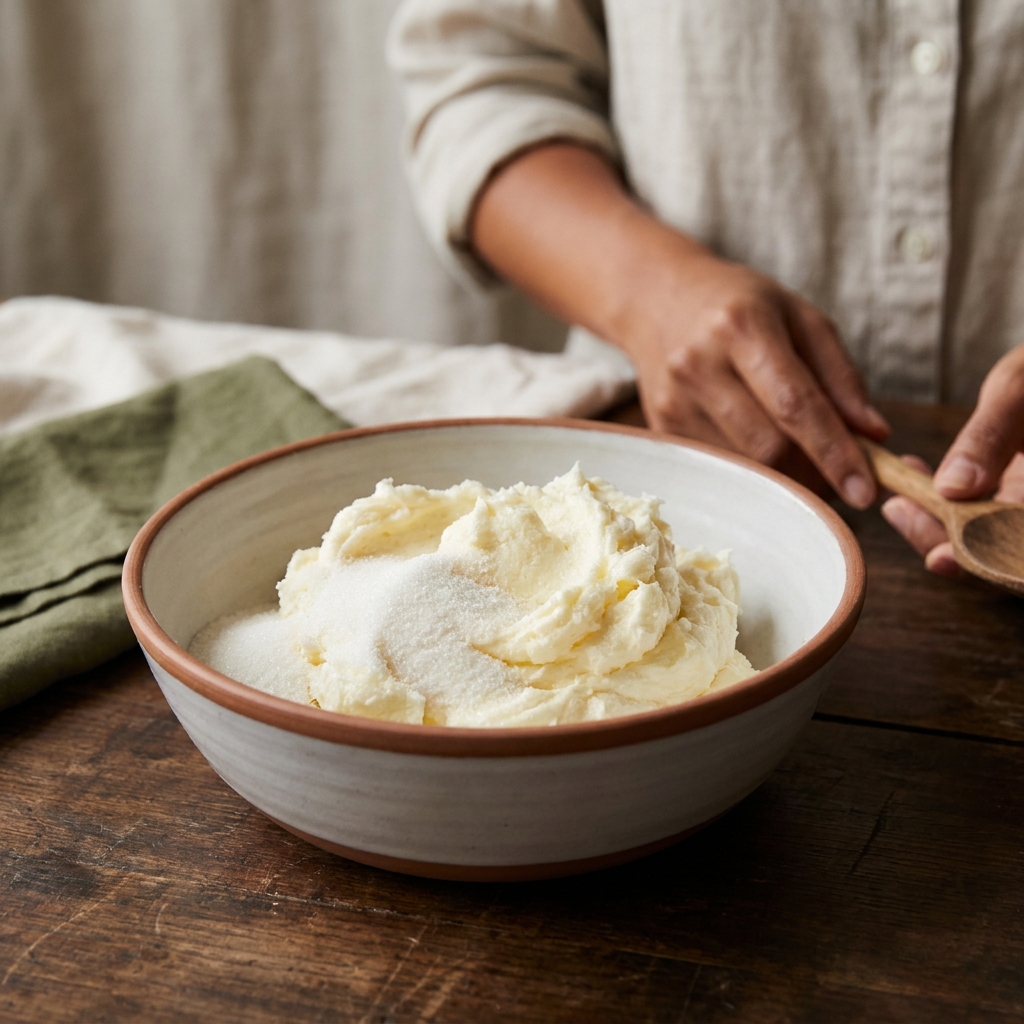
Creaming is a mechanical aeration step: the sugar crystals punch fine holes into cool, pliable butter and trap air. Those bubbles support gases from chemical leaveners in the oven, contributing to lift and a finer, more even crumb. Creaming distributes the sugar and fat; it does not mean every sugar crystal must dissolve or that the mixture should become completely grit-free (King Arthur Baking).
Butter temperature cues that make or break creaming
- Butter should be cool, not greasy, and yield slightly when pressed; too cold stays chunky and won’t aerate, too warm turns greasy and collapses the bubbles (King Arthur Baking).
- About 65°F/18°C is a practical target for “room-temperature” butter that can trap air; start on the cooler side so it doesn’t over-soften as you beat (Sally’s Baking).
What changes if you skip creaming
Cakes: reduced rise and tighter crumb
Without the aeration from creaming, cakes tend to rise less and set with a denser, tighter crumb. Using butter that’s too warm can also leave the mixture greasy and lead to heavy, soggy results (King Arthur Baking). In Sally’s illustrated cupcake comparison, the under-creamed batch had a shorter, denser and less even crumb; that is a result for the demonstrated recipe, not a measurement of every cake (Sally’s Baking).
Cookies: texture shifts more than height
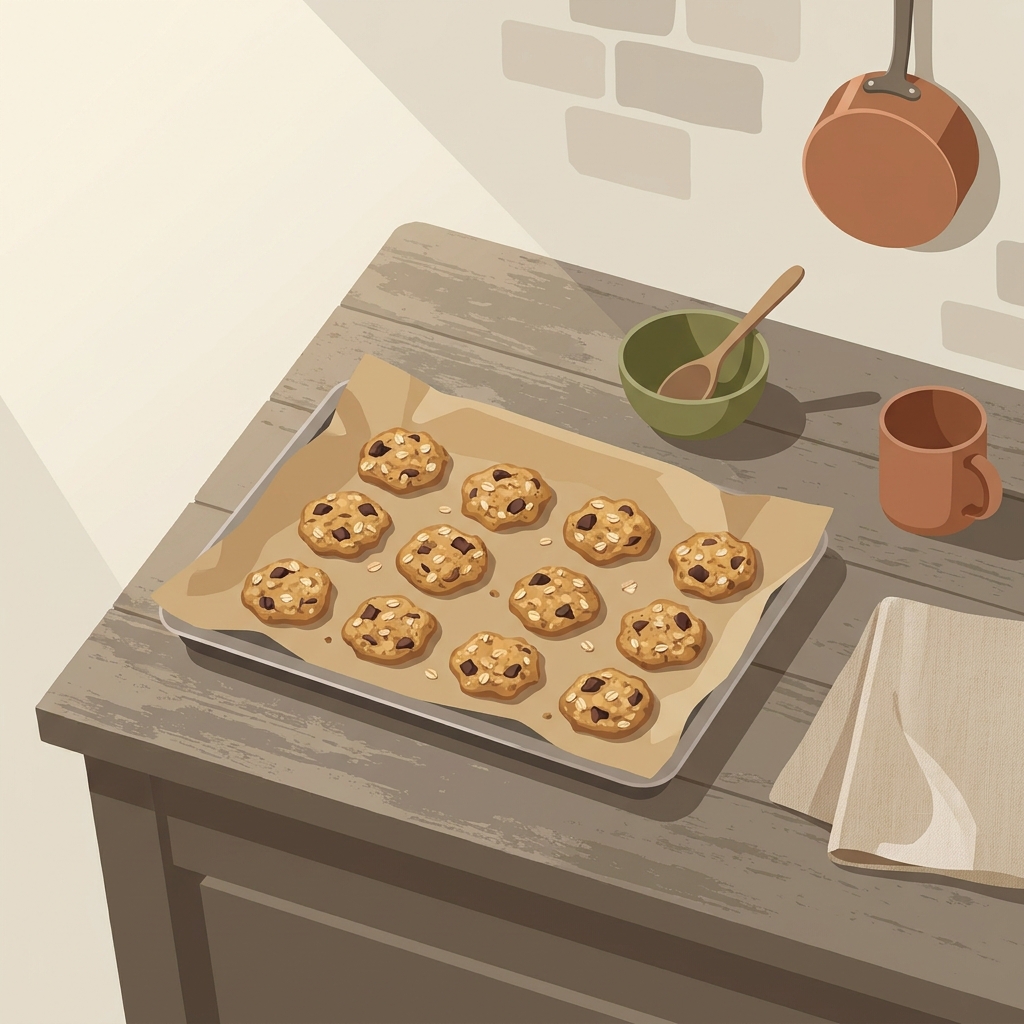
In a cookie recipe designed for creaming, skipping it changes the aeration and can affect texture and spread. Some cookies are intentionally chewy or dense, so light and crisp is not the goal for every recipe. Over-creaming or overly warm butter can also make dough spread too much in the oven (King Arthur Baking; Sally’s Baking).
A worked example you can picture
- Under-creamed: squat, dense cupcakes with pockmarked tops and a grainier crumb.
- Properly creamed: pale, fluffy mixture bakes into airy, springy cupcakes that just crown the liners.
- Over-creamed: batter holds too much air, rises fast, then sinks in the center as it cools (Sally’s Baking).
If you skipped it: realistic ways to recover or adapt
If the bowl still contains only butter and sugar
- If the bowl contains only the measured butter and sugar, and the butter is still suitably cool and pliable, continue the specified creaming step while scraping the bowl. If eggs or other liquids have already been added, it is no longer the same mixture: do not promise to restore the missing step by beating everything longer. Typical guidance: moderate mixer speed for about 2-3 minutes (King Arthur Baking) or around 3-5 minutes on medium speed (Sally’s Baking). Stop when it looks light and aerated; don’t chase a stark white color.
If the flour is already in
- You can’t recreate the same aeration now. Bake a small test portion first to gauge spread, browning and doneness time, then adjust portion size or timing for the rest of the batch.
- For cakes, expect a tighter crumb; focus on accurate oven temperature to avoid compounding texture issues. If you’re unsure about your oven’s accuracy, see our explainer on using an oven thermometer: How do I use an oven thermometer when baking?
For more technique context on gentle mixing steps that preserve air, see Why fold instead of stir? A practical guide for lighter bakes.
Visual checkpoints for creaming
- Under-creamed: dark, dense, grainy; visible butter flecks (King Arthur Baking).
- Properly creamed: lighter and aerated, without cold butter chunks or a greasy appearance; some sugar graininess can remain (Sally’s Baking).
- Over-creamed: very light, soft and greasy; can bake up with dense streaks or sink (King Arthur Baking; Sally’s Baking).
Avoid dense bakes when a recipe calls for creaming
When the recipe specifies creaming, treat it as a functional step. If it instead specifies melted butter, reverse creaming or another mixing method, follow that method rather than inserting a creaming step it does not need.

Related guides
Optional equipment for this guide
Hand mixing may be enough for a small suitable recipe. The butter condition and final texture matter more than buying a mixer.
As an Amazon Associate I earn from qualifying purchases. These are researched options, not hands-on test results. Check the exact size or model, current price and availability on Amazon.
| Product option | Fit and limits to check | Retailer |
|---|---|---|
| Product imageOXO Good Grips large wooden spoon | A sturdy wooden spoon for hand mixing softened butter in a manageable batch. Follow the recipe’s required texture and allow time; the spoon does not make cold butter cream quickly. | View on Amazon |