
The journal
Which vegetables don’t need blanching before freezing (and when to skip it)
Common vegetables you can freeze without blanching, with preparation and intended-use exceptions and crop-specific guidance for other vegetables.
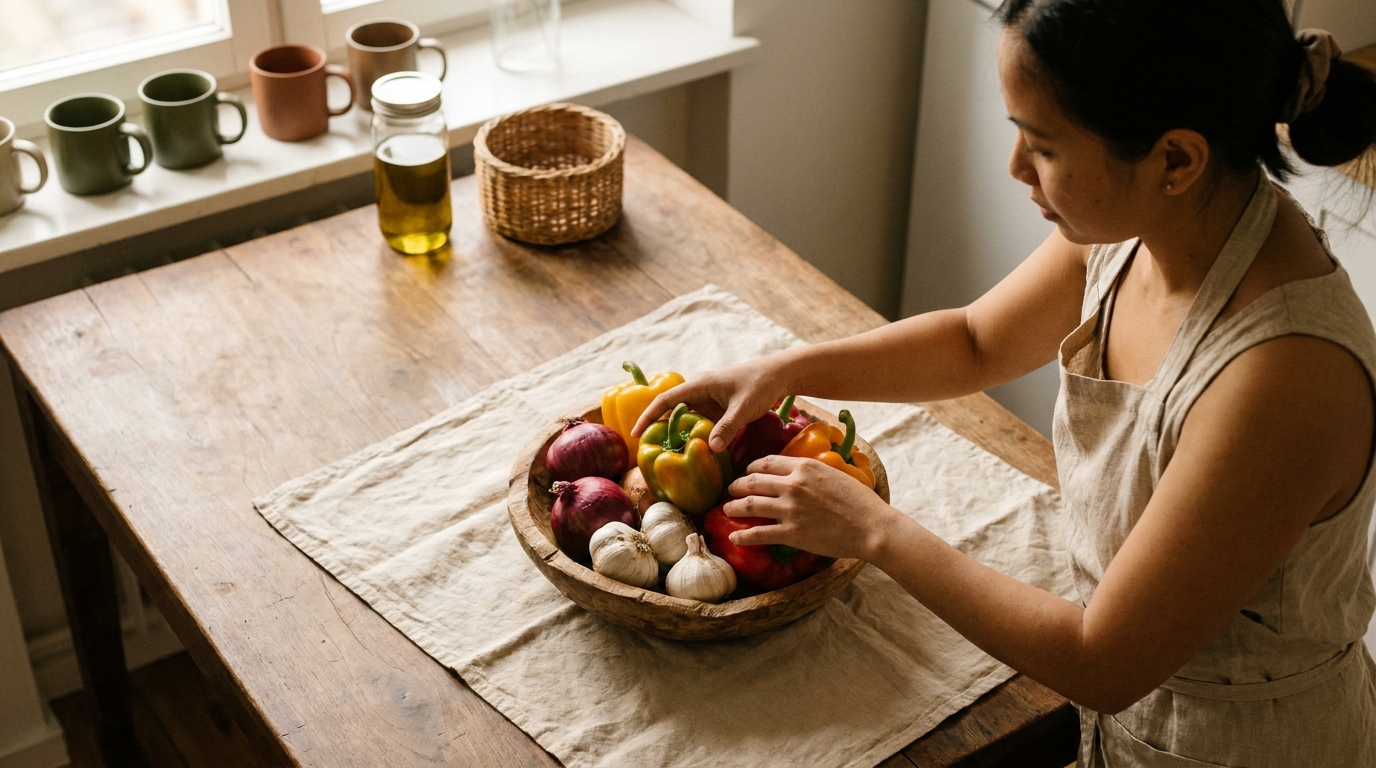
Short answer: onions, sweet/bell peppers, and tomatoes are the common exceptions that can be frozen without blanching, especially when you plan to use them in cooked dishes. Most other vegetables should be blanched, then cooled in an ice bath, to protect color, texture and flavor during frozen storage (University of Maine Cooperative Extension; Health Canada: How to blanch vegetables).
Why blanch most vegetables (and where the ice bath fits)
Freezing slows, but does not stop, natural enzymes in vegetables. Blanching in boiling water or steam inactivates these enzymes; rapid cooling in an ice bath then halts the cooking so texture stays closer to fresh. Underblanching is worse than not blanching at all, and correct timing depends on the vegetable and cut size (National Center for Home Food Preservation; Academy of Nutrition and Dietetics).
How to freeze the exceptions (no blanching)
Onions
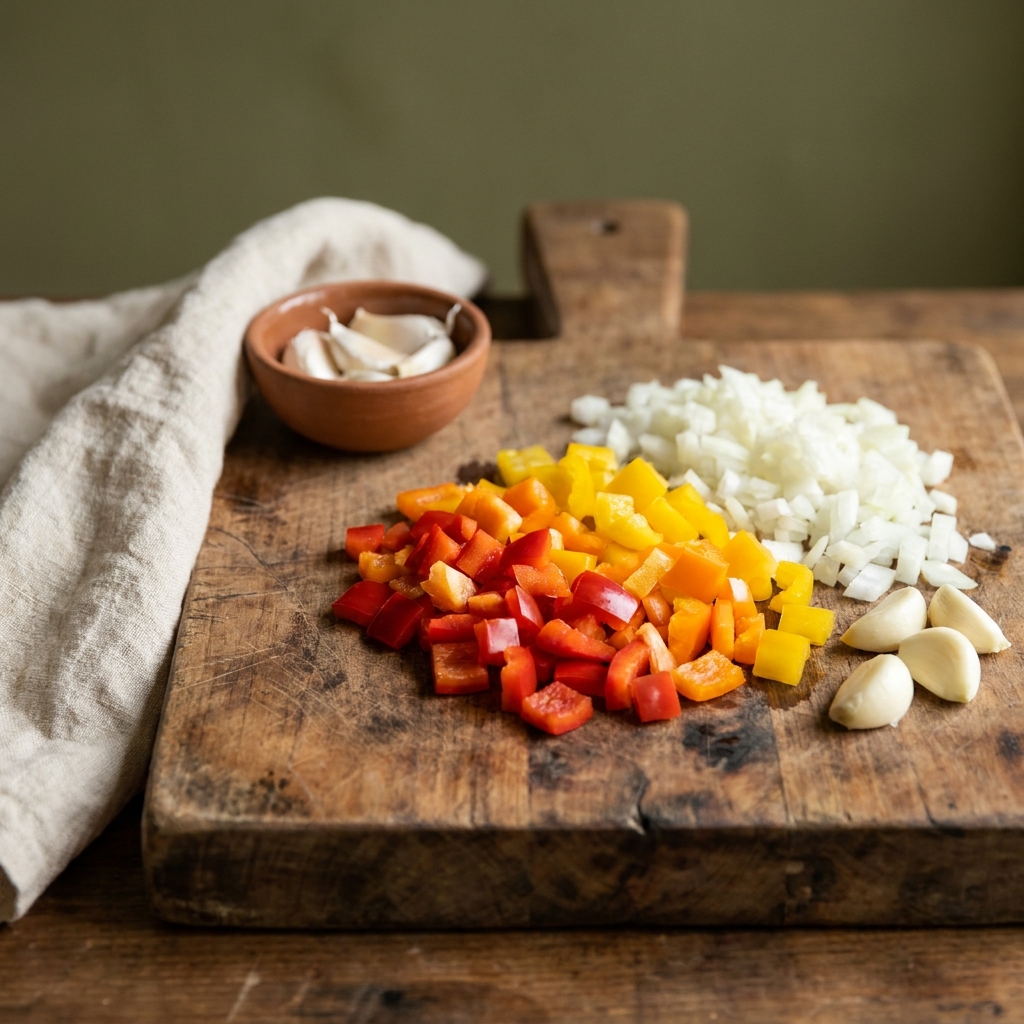
- Prep: peel, then chop or slice.
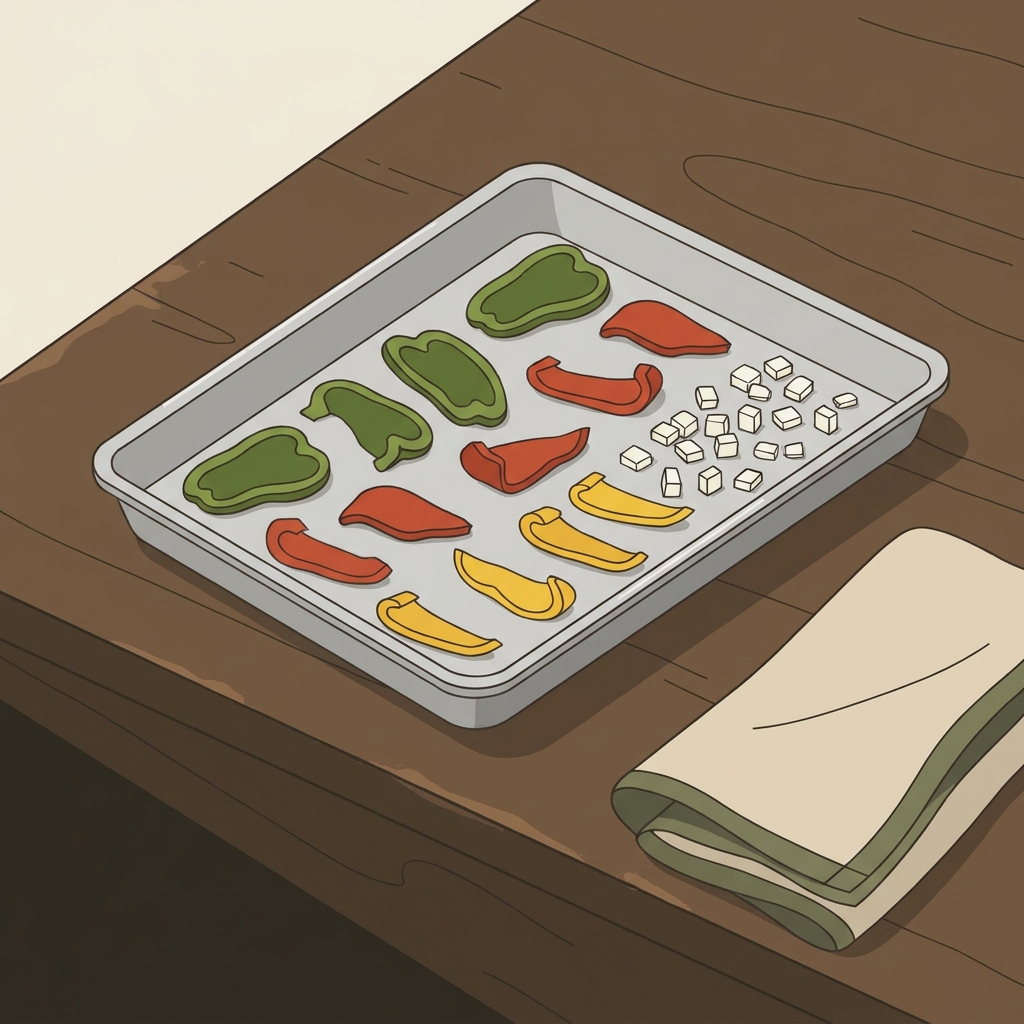
- Freeze: spread in a single layer on a tray until firm; transfer to freezer-grade bags/containers and remove excess air.
- Use: add directly from frozen to sautés, soups and sauces. Blanching is not usually needed for chopped onions (Penn State Extension).
Sweet/bell peppers
- Prep: seed, then slice, strip or dice.
- Freeze: tray-freeze pieces, then pack airtight.
- Use: cook from frozen in skillet dishes, stews and sauces. Peppers are a noted no-blanch exception (University of Maine Cooperative Extension).
Tomatoes
- When skipping blanching: you can freeze raw tomato pieces for cooked uses, but expect a softer, watery texture after thawing (Health Canada).
- For better quality: cook tomatoes first (sauce, crushed, roasted) before freezing. Thawed raw tomatoes soften and can release liquid; a cooked preparation can suit a different intended use (Penn State Extension).
- Note: blanching tomatoes is commonly done just to loosen skins for peeling, not strictly for freezer quality (Health Canada).
When you should not skip blanching
For most vegetables where you want to retain color and a crisp-tender bite over months in the freezer, blanch and chill in an ice bath before packing. Examples include beans, peas, broccoli, cauliflower, carrots and corn. Use about 1 gallon of boiling water per pound of prepared vegetables, work in small batches, then cool just as thoroughly in cold or ice water before draining and packing (National Center for Home Food Preservation).
Quick blanch-and-ice-bath example: green beans
- Boil: add prepared snap beans to vigorously boiling water (about 1 gallon per pound). Return to a boil and blanch 3 minutes.
- Ice bath: plunge beans into ice water and cool for about 3 minutes (roughly the blanch time), refreshing ice as needed.
- Drain and dry: excess moisture reduces quality in the freezer. Pack promptly in freezer-grade materials (National Center for Home Food Preservation).
Keep frozen quality high: packing and freezing
- Freeze fast: spread pieces in a single layer to freeze quickly; avoid overloading the freezer so ice crystals stay small (Penn State Extension).
- Use freezer-grade packaging: moisture- and vapor-resistant bags or rigid containers help prevent freezer burn. Remove as much air as possible and label with contents and date (University of Maine Cooperative Extension).
- Best-by window: for best quality, use home-frozen vegetables within about 6 to 8 months (University of Maine Cooperative Extension).
Related: what freezer burn means for safety and taste, and what to do with affected foods in Is freezer-burned food still safe? For a broader look at freezer packaging choices, see Should I freeze bread in plastic or foil?
Decide quickly: blanch or skip for freezing
FAQ
Do I need an ice bath after blanching?
Yes. Rapid cooling stops cooking and helps protect texture. Use very cold water (about 60 F or colder) and plenty of ice; cool for roughly the blanch time, then drain well (National Center for Home Food Preservation; Academy of Nutrition and Dietetics).
Can I freeze carrots or celery raw?
For best quality, blanch before freezing. Carrots and celery have recommended blanch times; skipping blanching leads to faster color and texture loss (Penn State Extension).

Related guides
Optional equipment for this guide
For vegetables that suit tray freezing without blanching, use a food-safe tray that fits the freezer. This does not change the preparation required for other vegetables.
As an Amazon Associate I earn from qualifying purchases. These are researched options, not hands-on test results. Check the exact size or model, current price and availability on Amazon.
| Product option | Fit and limits to check | Retailer |
|---|---|---|
| Product imageNordic Ware Naturals half sheet, single pan | A half-sheet pan can support a single layer for tray-freezing prepared vegetables. Check freezer clearance, use food-safe lining if needed and transfer frozen pieces into appropriate storage. | View on Amazon |