
The journal
How Italians stop pasta from sticking
A clear, step-by-step routine: add pasta to a fast boil, stir early and often, use a big pot with plenty of water, skip oil in the water and finish al dente.
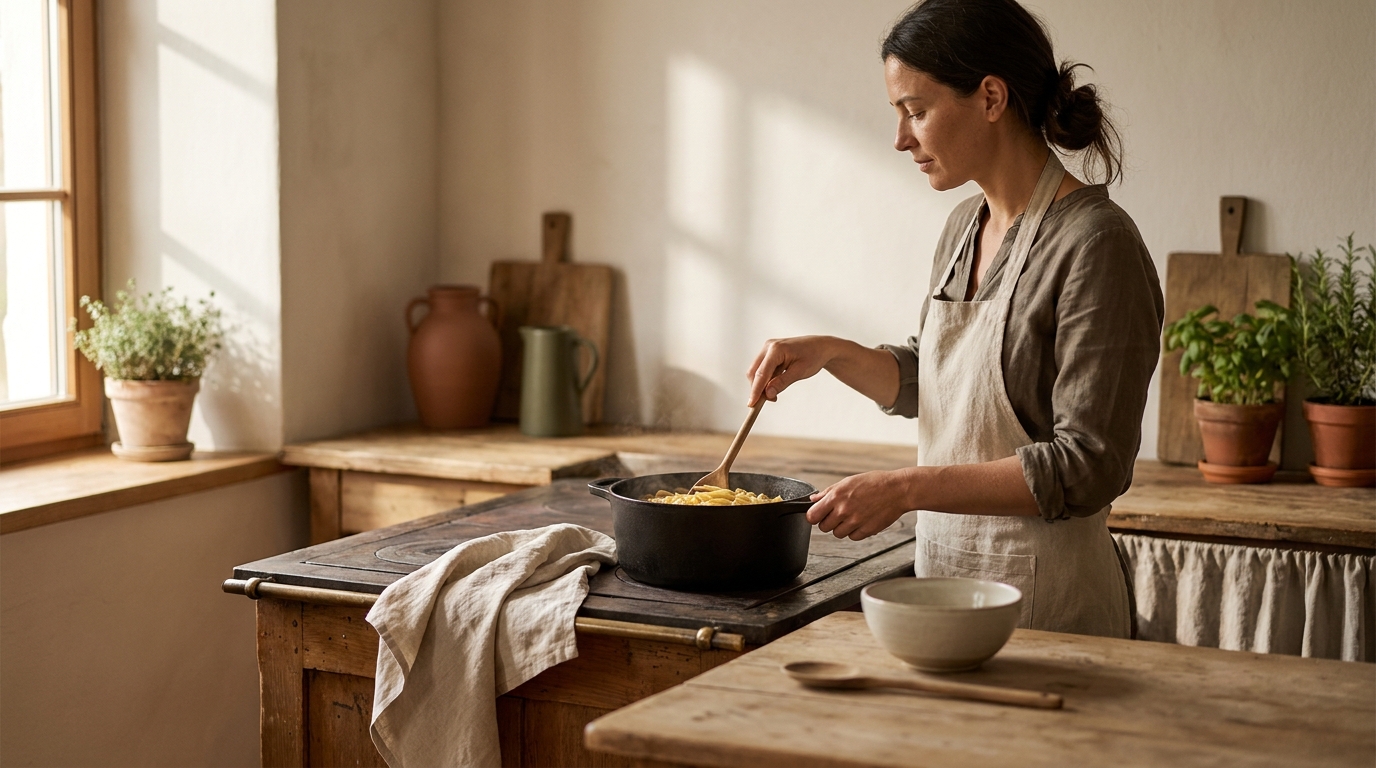
Add pasta to water that is fully, rapidly boiling, stir right away and often in the first minutes, give it lots of space in a large pot, skip oil in the water and cook just to al dente. Lift the pasta out instead of dumping it into a colander and combine immediately with your sauce. These steps keep noodles from clumping and are echoed by Italian cooks and pro tips (The Guardian; Taste of Home).
Why pasta sticks (and what stops it)
Pasta releases starch as it cooks; without movement and space, that starch acts like glue and pieces cling together. Keeping the water fast boiling and stirring regularly prevents early clumps. Some shapes, like orecchiette, are more prone to nesting, so they especially need vigorous boiling water and frequent stirring (The Guardian).
A reliable Italian-style routine: step by step
- Use a big pot and plenty of water. Pasta needs room to circulate and expand. A practical guide suggests about 3 to 4 quarts of water per pound of pasta to dilute surface starch and reduce sticking (Taste of Home).
- Salt for flavor, not for anti-stick. Salt makes the pasta taste good but does not prevent sticking; add it once the water boils. Taste of Home recommends salting the water and notes this isn’t the anti-stick step (Taste of Home).
- Add pasta only to a vigorous boil and stir immediately. Stir again regularly, especially in the first couple of minutes. You shouldn’t drop pasta in and walk away; attentive stirring keeps shapes separated (The Guardian; Taste of Home).
- Don’t add oil to the water. Oil can keep noodles from sticking to each other, but it also stops sauce from clinging properly. Skip it when you’ll toss pasta with sauce (Taste of Home; The Guardian).
- Help long noodles submerge. Keep long pasta intact; set one end in the boiling water and gently bend and nudge it under as it softens, rather than breaking it (Taste of Home).
- Cook to al dente and taste as you go. Overcooked pasta is softer and tackier. Aim for al dente and check frequently near the end (Taste of Home). For pasta salads, cooking only to just al dente helps prevent clumping as it cools (The Guardian).
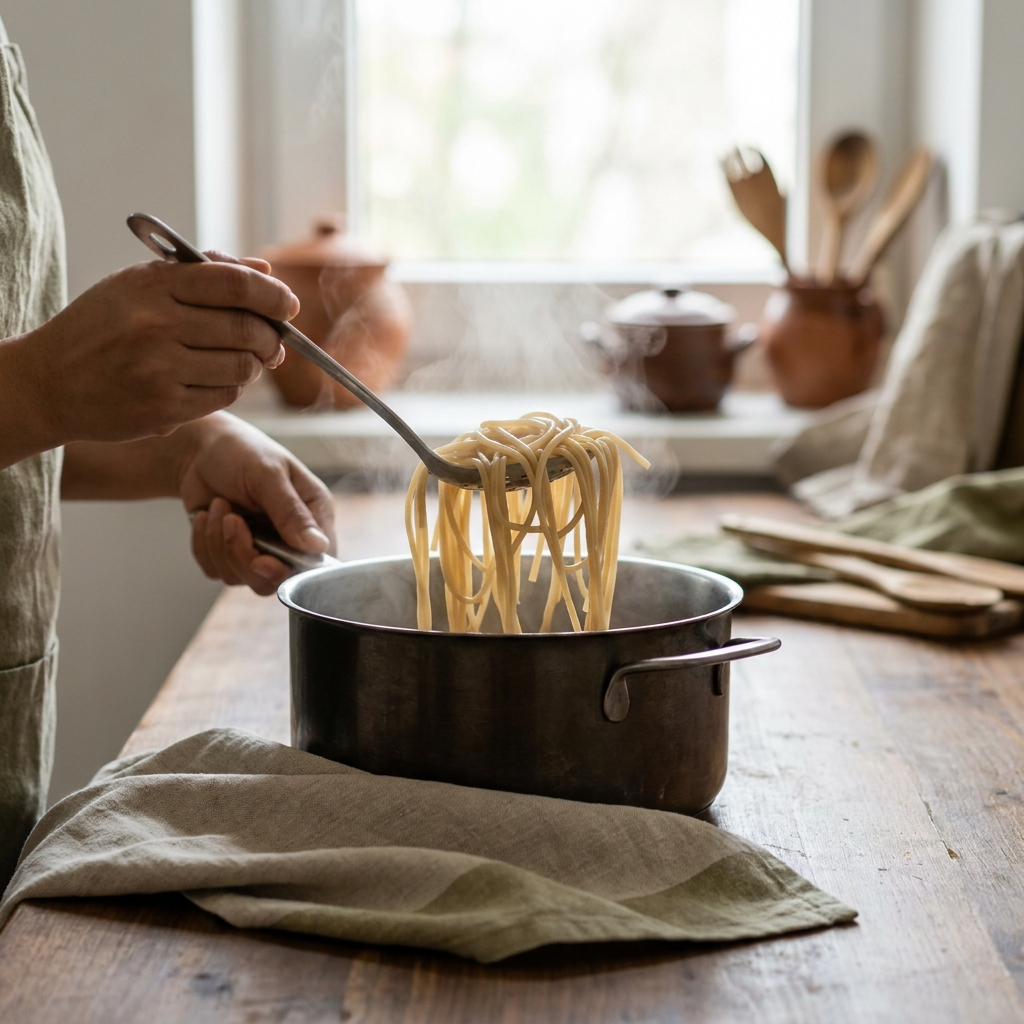
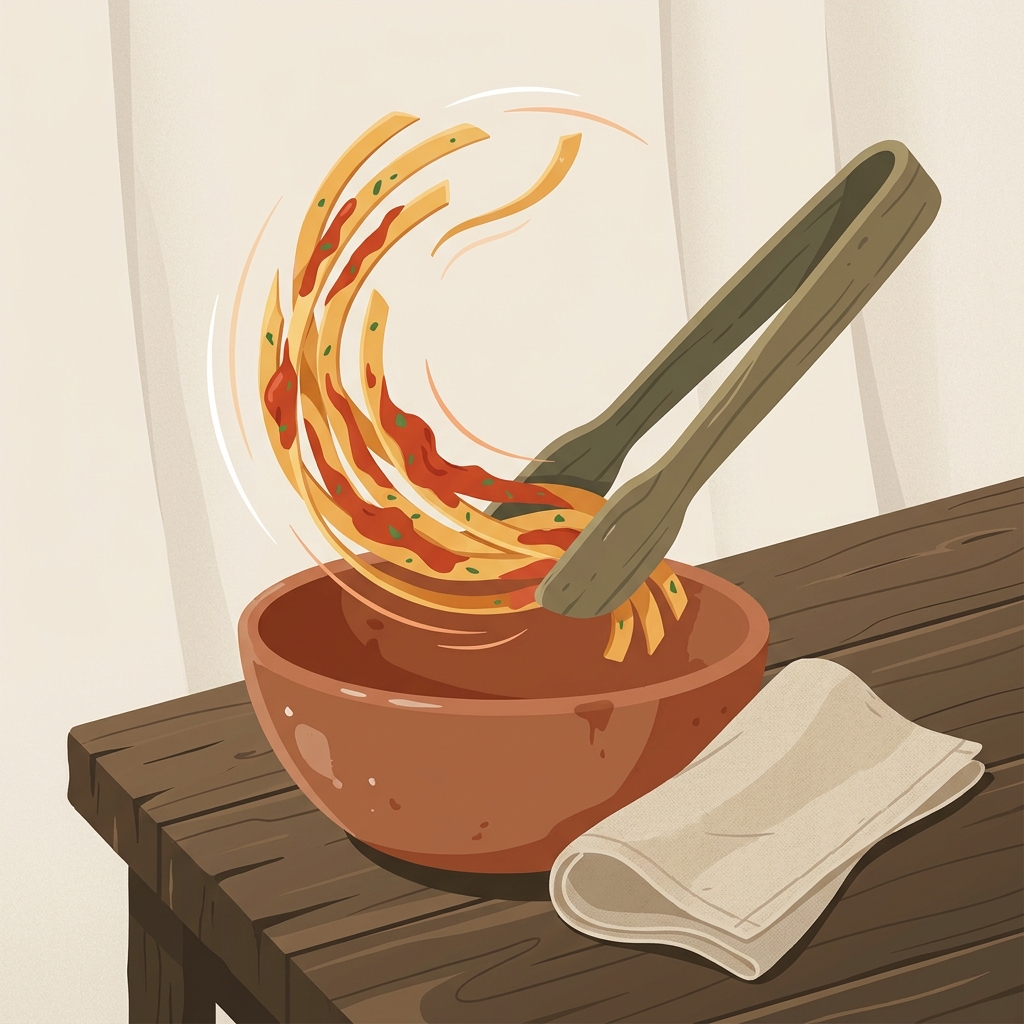
- Lift, don’t dump. Scoop cooked pasta out with a spider or sieve, ideally in batches, into a bowl or directly into your sauce. Pouring the whole pot into a colander can trap steam and make pasta clag together; if you must drain, The Guardian even suggests using two colanders to reduce clumping (The Guardian).
No-stick pasta: do these as you cook
Common mistakes and quick fixes
- Adding pasta before a full boil. This increases early sticking. Wait for a fast boil, then add and stir (Taste of Home).
- Not stirring enough at the start. Early minutes matter most; stir right away and keep it moving (The Guardian).
- Using too small a pot. Crowding concentrates starch and limits movement. Use more water and a larger pot (Taste of Home).
- Dumping into a colander. The steam can glue pasta together. Instead, lift pasta out in batches; if draining, work fast and consider the two-colander trick (The Guardian).
- Cooking ahead of the sauce. Cook the pasta to be ready right when the sauce is; letting drained pasta sit invites clumping. If pasta finishes early, avoid oiling or heavy rinsing if you plan to sauce, because rinsing washes off starch that helps sauce adhere (Taste of Home).
Short FAQ
Should I add oil to the pasta water?
No, not if you plan to sauce the pasta. Oil can stop sauce from clinging well (Taste of Home; The Guardian).
When exactly should I stir?
Immediately after adding the pasta, then regularly (about every minute) in the first few minutes to keep shapes moving and separate (The Guardian).
Can I rinse pasta to prevent sticking?
For sauced pasta, avoid rinsing because it removes starch that helps sauce adhere. For cold salads, cook just to al dente and cool promptly; some cooks rinse to cool, but it isn’t needed for hot, sauced dishes (Taste of Home; The Guardian).
More practical kitchen routines from Stirred Daily:
- How long to toast nuts in the oven? Practical times and method
- Why fold instead of stir? A practical guide for lighter bakes