
The journal
Does al dente mean soft?
A clear answer to what al dente means, what it should feel like, and how to cook pasta to that texture without overcooking.
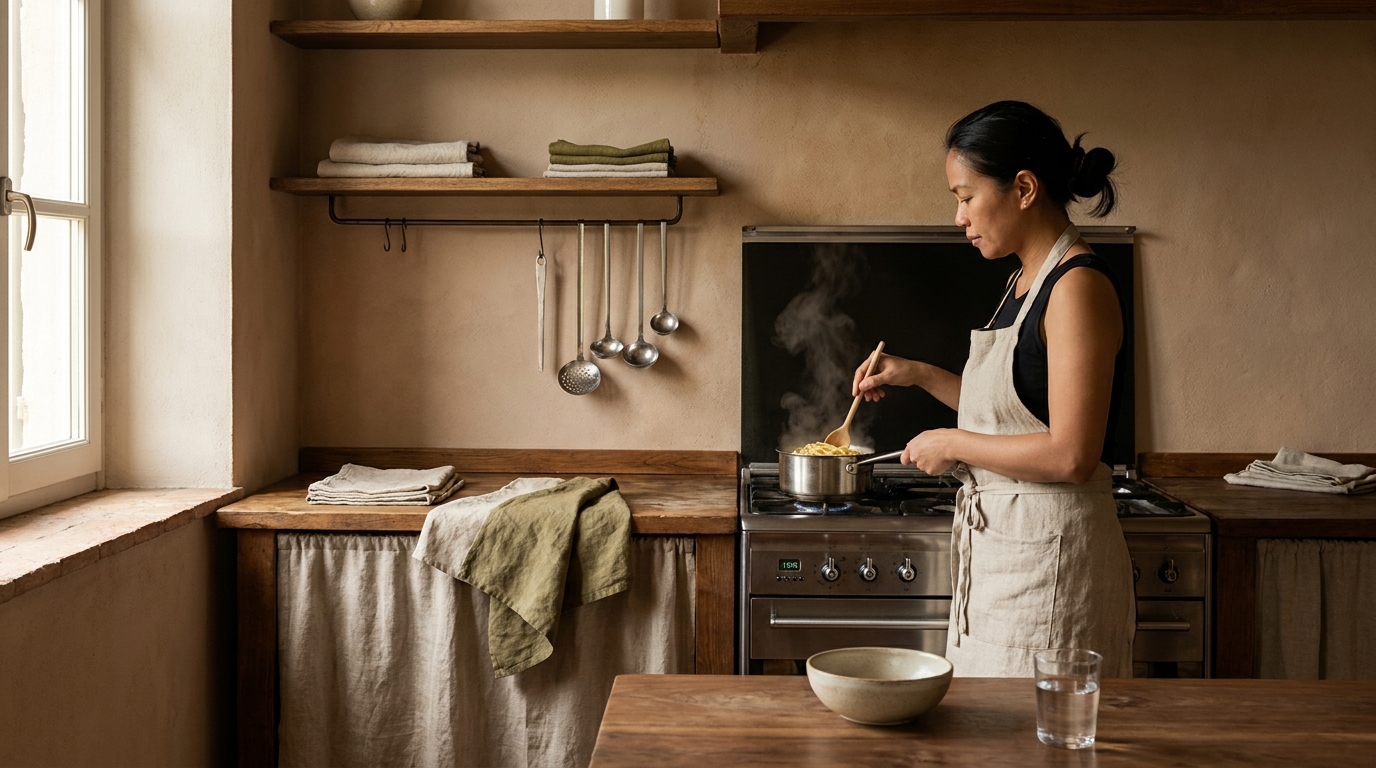
No. Al dente does not mean soft. It means the food, most commonly pasta, is still firm when bitten, literally “to the tooth” in Italian (Cambridge Dictionary; Bon Appetit).
What al dente should feel like
Al dente pasta is tender on the outside with a pleasant, slight resistance at the center when you bite. It is not crunchy (undercooked) and not soft or mushy (overcooked). A simple bite test tells you when you’re there: chew a piece and judge the center. Some dried pasta shows a paler core while still underdone, but color alone is not a universal test. Judge the cooked texture and keep checking if finishing it in sauce (Bon Appetit).
How to get al dente on the stove
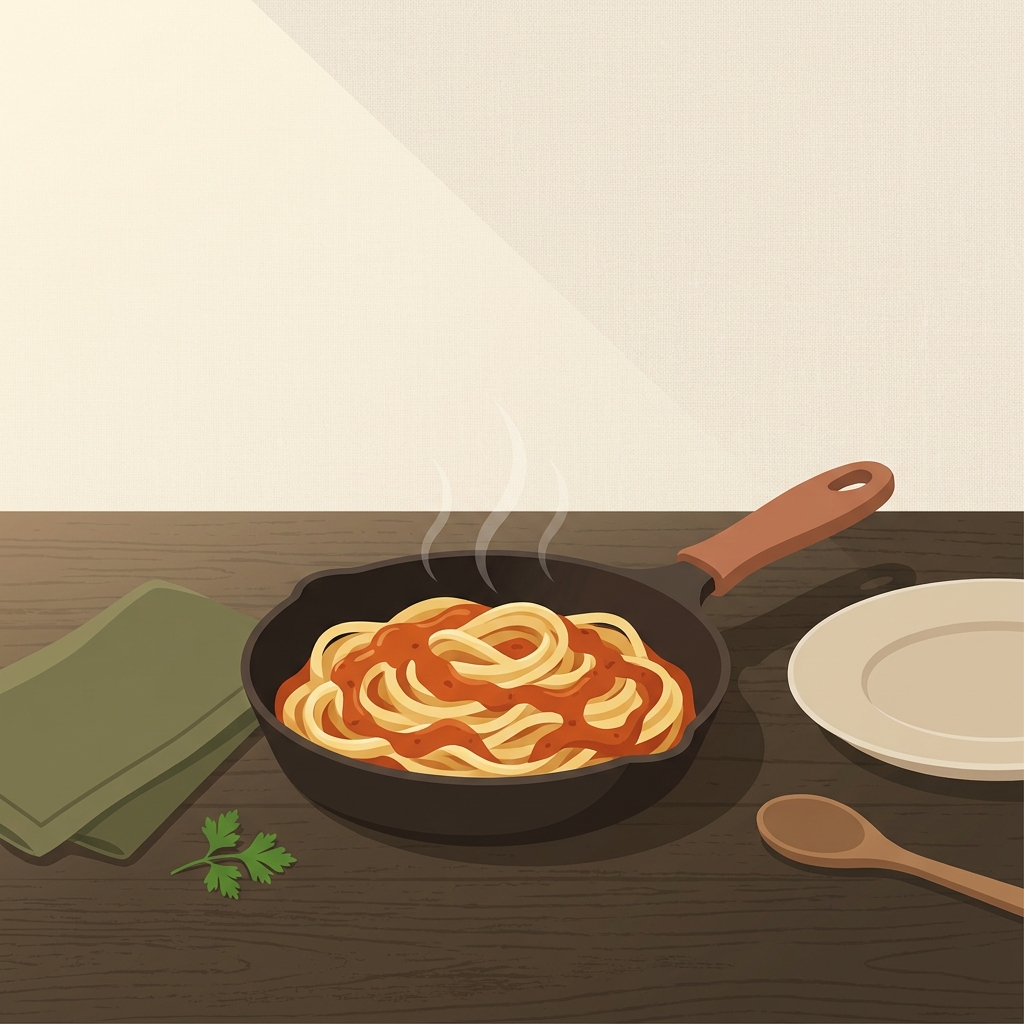
Cook pasta in a pot of well-salted, boiling water. Use the time on the package only as a guide and start tasting early. If you plan to finish the pasta in a pan of sauce, move it from the pot while it’s still slightly underdone (that faint firm core is a good cue), then finish in the sauce with pasta cooking water as the recipe directs, checking the texture rather than relying on a fixed extra time. This helps the pasta and sauce come together while the pasta reaches al dente in the pan (Bon Appetit).
Quick bite-test checklist for al dente
Fresh vs dried pasta: when to aim for al dente
Dried pasta is typically cooked to al dente for the best texture. Many fresh, egg-based pastas are cooked until tender and silky rather than notably firm, because their thin structure reaches a pleasant texture quickly (Bella Sun Luci blog).
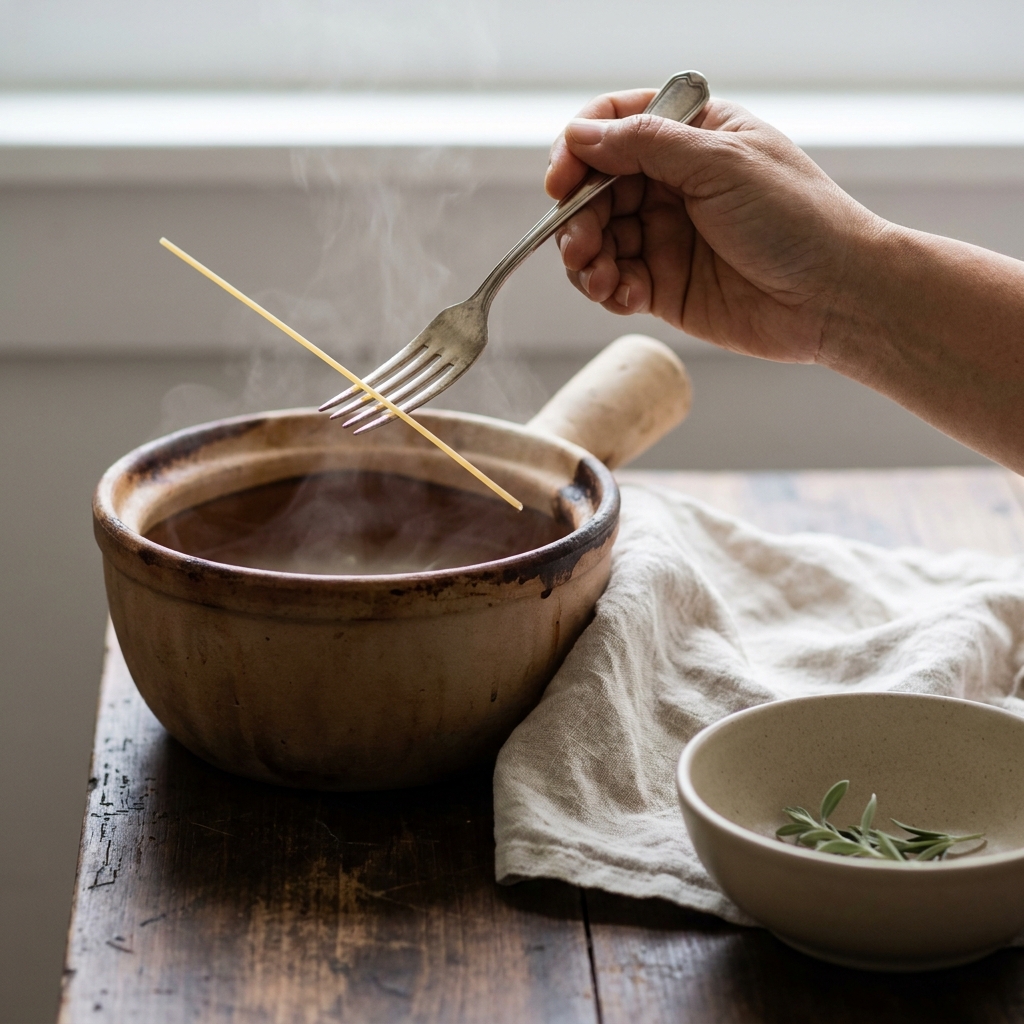
These bite cues are for plain pasta. For filled pasta, follow the product or recipe’s cooking instructions for the filling as well; a pleasant outside texture alone does not establish that every filling is cooked.
Common mistakes that lead to soft pasta
- Relying only on the printed time. Different shapes and thicknesses vary; tasting is the reliable cue.
- Overshooting al dente. You can always cook pasta longer, but you can’t un-cook it, so err on the early side and finish in the sauce if needed (Bon Appetit).
- Letting pasta sit in hot water after draining. Drain and sauce promptly, or finish directly in the pan.
For more hands-on tips to keep strands separate and saucing smooth, see How Italians stop pasta from sticking. Curious how rinsing affects starch in grains? Read What happens if you don't rinse rice?