
The journal
What is the best liquid to deglaze a pan?
A practical guide to choosing the right deglazing liquid for any pan sauce, with step-by-step method, smart pairings and common pitfalls to avoid.
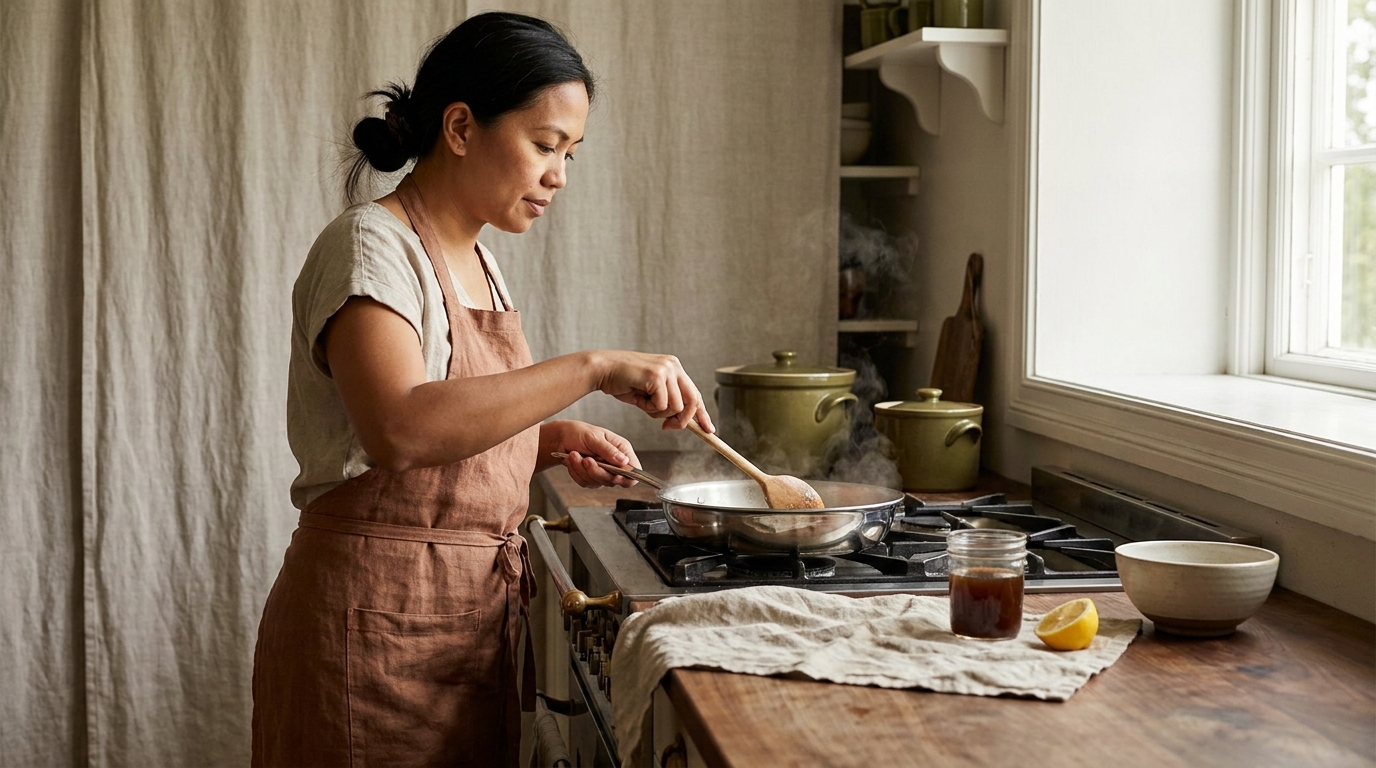
The best liquid to deglaze a pan is the one that complements your dish: wine for acidity and aroma, stock for savory body, citrus or a little vinegar for brightness, beer for malty depth, and plain water when nothing else is on hand, seasoned and reduced to concentrate flavor (All-Clad: choosing liquids).
What deglazing does and why it matters
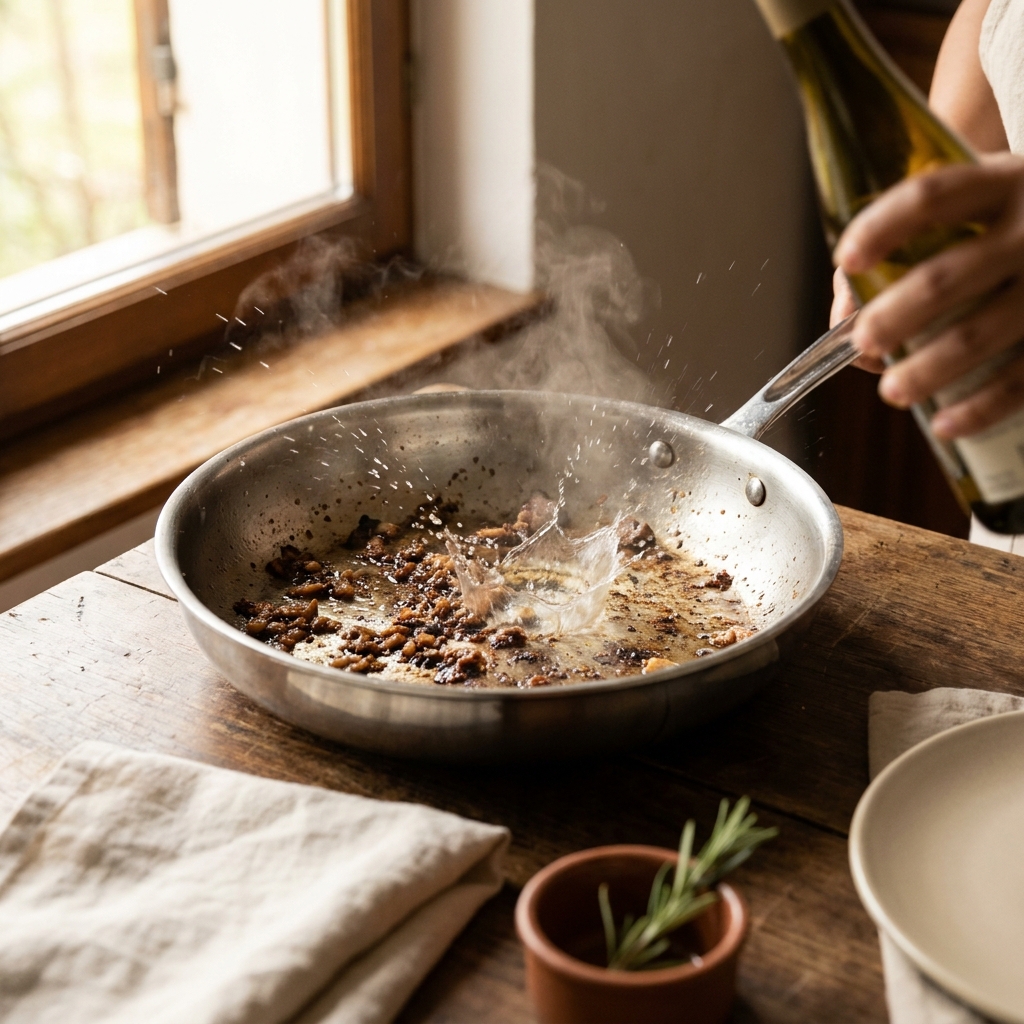
Deglazing is adding liquid to a hot pan to dissolve the browned bits (fond or sucs) left after searing, turning them into the flavorful base for a sauce or gravy. Common choices include stock, wine, beer and verjuice. Choose a recipe and method suited to the pan and the sauce you want (All-Clad: pan-sauce technique).
The best liquids to deglaze a pan, and when to use each
- Stock or broth: Builds savory body without shifting the dish’s character too much. Use chicken or vegetable stock for lighter proteins and beef stock for red meats (All-Clad: How to deglaze).
- Wine (red or white): Adds acidity and aromatic lift. Red wine pairs well with beef or lamb; white wine suits chicken or seafood (All-Clad: choosing liquids).
- Beer: Contributes malty, earthy notes for sausages, pork or hearty stews (All-Clad: choosing liquids).
- Spirits: Use only where a specific recipe and safe handling method call for them. For a straightforward pan sauce, stock is simpler. Reducing an alcoholic liquid does not establish that a sauce is alcohol-free (All-Clad: How to deglaze).
- Citrus juice or a little vinegar: Brightens rich pans; use in small amounts or combine with stock for balance (All-Clad: choosing liquids).
- Water: Effective for lifting fond and a fine base when seasoned and reduced. Use room-temperature or hot water; avoid shocking a very hot pan with cold water (All-Clad: How to deglaze).
- Dairy finishes: Follow the recipe if adding milk or cream; a creamy sauce needs controlled heat and attention to acidity rather than a blanket assumption that every dairy product behaves alike (All-Clad: pan-sauce technique; All-Clad: How to deglaze).
How to choose quickly for your dish
- Match intensity to the main ingredient: red wine or beef stock for steak; white wine or light chicken stock for chicken or fish (All-Clad: choosing liquids).
- Need alcohol-free options? Use stock for body or citrus for brightness; both are solid choices for pan sauces (All-Clad: How to deglaze).
- For vegetables and mushrooms: vegetable stock keeps flavors savory; a small splash of vinegar or lemon can sharpen the finish (All-Clad: choosing liquids).
Stainless steel encourages fond and makes deglazing rewarding; nonstick produces less fond and is less effective for pan sauces (All-Clad: best pan for deglazing). For pan-heating cues, see How to tell when a stainless steel pan is ready.
Step-by-step: a reliable deglazing workflow
- After searing, remove the food and deal with excess fat as the recipe directs, keeping the browned fond. Do not deglaze a pan of smoking oil (All-Clad: How to deglaze).
- Reduce or turn off the heat before adding a measured small quantity of liquid, enough to loosen the fond for your recipe. Expect steam and keep clear of splashes. For wine or another alcoholic liquid, move the pan away from flame and pour from a small measured container, never directly from the bottle (All-Clad: step-by-step).
- Scrape the bottom with a wooden spoon to dissolve and release the fond (All-Clad: How to deglaze).
- Return to a controlled simmer and reduce to the recipe’s desired consistency. Time and amount depend on pan size, heat and liquid; season after reducing so salt does not become too concentrated (All-Clad: How to deglaze).
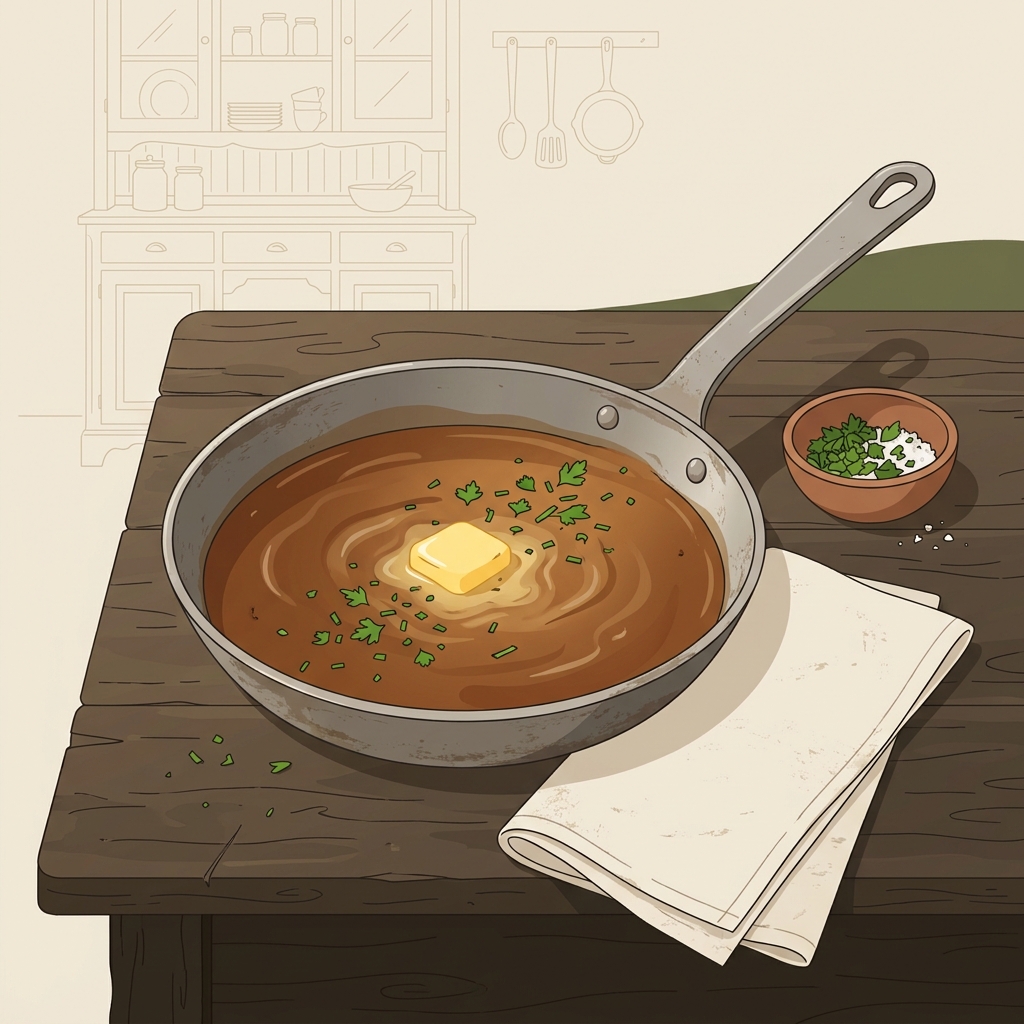
- Finish off heat with cold butter (monter au beurre) or a little cream for a silky, stable sauce (All-Clad: finishing the sauce; All-Clad: pan-sauce technique).
Pick the right deglazing liquid tonight
Common mistakes and easy fixes
- Adding too much liquid: The amount depends on the pan and recipe. Start with enough to release the fond rather than treating one cup amount as universal; excess liquid needs longer reduction (All-Clad: step-by-step).
- Using a nonstick pan and expecting fond: Nonstick coatings discourage fond formation; choose stainless steel for best results (All-Clad: best pan for deglazing).
- Shocking a hot pan with cold water: Use room-temperature or hot water to avoid thermal shock and potential warping (All-Clad: How to deglaze).
- Dairy splitting: Follow the recipe’s temperature and timing when adding dairy, especially to an acidic reduction; add it with controlled heat rather than assuming vigorous boiling is suitable (All-Clad: pan-sauce technique).
Quick pairing ideas
- Seared steak: red wine or beef stock; finish with butter and cracked pepper (All-Clad: choosing liquids).
- Pan-roasted chicken: white wine or light chicken stock with thyme (All-Clad: choosing liquids).
- Sausage or pork chops: beer or pork-friendly stock; add a little mustard at the end (All-Clad: choosing liquids).
- Delicate fish: white wine or citrus-forward stock reduction; finish with herbs (All-Clad: choosing liquids).
FAQ
Can I deglaze with water? Yes. Water reliably lifts fond; season and reduce to build flavor, using hot or room-temperature water to protect the pan (All-Clad: How to deglaze).
Do I need alcohol to make a good pan sauce? No. Stock delivers depth, and citrus can add brightness without alcohol (All-Clad: alcohol-free options).
If you’re deglazing to help with cleanup after a sticky sear, try our guide to getting rid of food stuck on a stainless steel pan.