
The journal
How to tell if it's simmering (not boiling)
Clear visual cues and a simple temperature check to know when your pot is gently simmering rather than boiling.
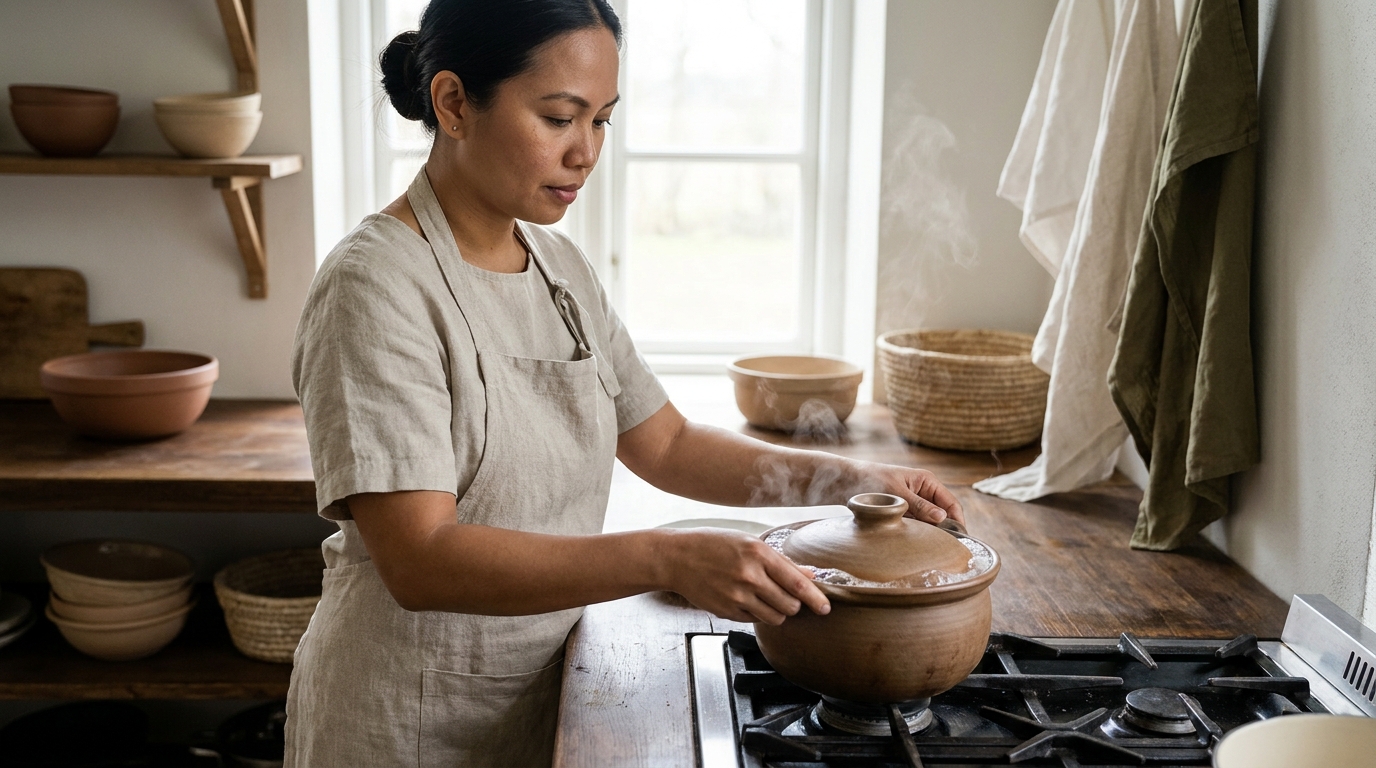
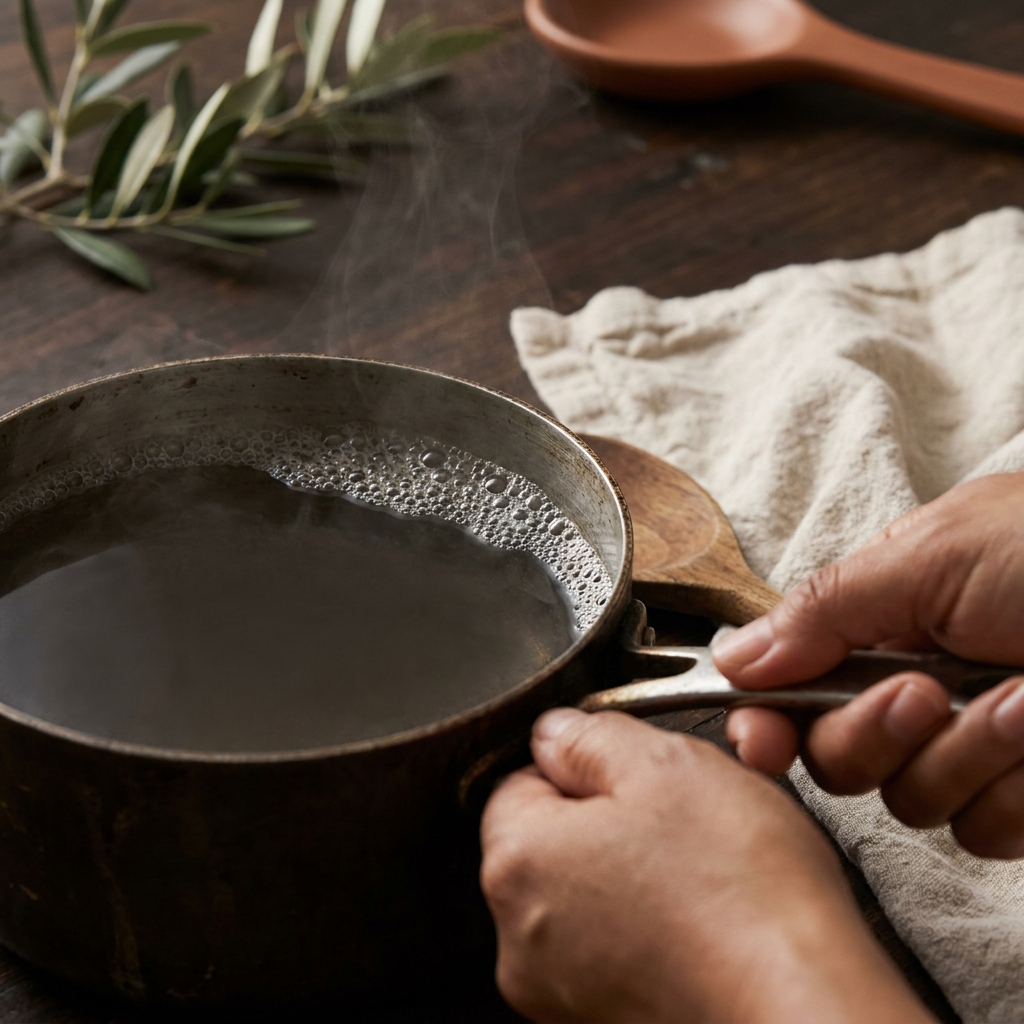
A pot is simmering when you see small bubbles occasionally breaking the surface, gentle movement in the liquid, and light steam without vigorous splashing. For a water-like liquid near sea level, simmering is often described around 185-205 F (85-96 C), below a full boil of about 212 F (100 C). Altitude and the liquid’s composition change the temperatures, so these are approximate cooking guides Anderson House simmer vs boil. Some guides use a slightly narrower simmer band of about 180-190 F JES Restaurant Equipment: What is simmering.
Visual signs it's simmering (not boiling)
- Small bubbles rise occasionally and gather at the edges.
- There is gentle, steady movement in the liquid, with light steam.
- No violent splashing, and not all of the surface is breaking at once.
If bubbles are constantly breaking across the entire surface, you have a boil, not a simmer Anderson House simmer vs boil. For context, a gentle boil shows small bubbles breaking the surface more continuously, while a rolling boil produces big, vigorous bubbles and lots of steam that continue even when stirred Thrive Market: Simmer vs. Boil.
Quick thermometer check (optional)
You usually don’t need a thermometer, but if you want confirmation, around 185-205 F (85-96 C) is a rough near-sea-level guide for water-like liquids, not a universal threshold Anderson House simmer vs boil. Some sources define a narrower 180-190 F range; use the appearance of the bubbles as your primary guide and the thermometer as a spot-check JES Restaurant Equipment: What is simmering.
How to reach and keep a gentle simmer
- Follow the recipe: some soups are brought to a boil and then reduced, while delicate preparations are heated gently without a rolling boil.
- Lower the heat to low or medium-low until only small bubbles remain and the surface calms.
- Cover, partly cover or leave uncovered according to the recipe and how much reduction you want; adjust heat after changing the lid position.
- Stir occasionally to keep ingredients from settling and sticking.
These steps align with common soup and stew technique and help develop flavor without toughening proteins or clouding broths Anderson House simmer vs boil.
Common mistakes and quick fixes
- Boiling the whole time: If the surface is vigorously churning, reduce the heat until you return to small, gentle bubbles Anderson House simmer vs boil.
- Turning the heat too low: A simmer still has visible movement. If nothing is happening, increase the heat slightly until small bubbles reappear Anderson House simmer vs boil.
- Ignoring the lid’s effect: a lid retains heat and moisture. Adjust it and the burner to suit the recipe rather than assuming every simmer needs an ajar lid Anderson House simmer vs boil.
- Forgetting to stir: Beans, grains and thick soups can settle and stick; stir occasionally for even cooking Anderson House simmer vs boil.
When you actually want a boil
Use a full, rolling boil for pasta and blanching vegetables; it cooks food faster and keeps pasta moving for even texture JES Restaurant Equipment: Simmer vs. Boil.
Quick checks to confirm a true simmer
FAQ
Do I need a thermometer to simmer?
No. Most home cooks judge a simmer by the appearance of the bubbles. A thermometer is optional for observing the liquid, but bubbling is not proof that meat or another ingredient has reached a safe internal temperature; follow its appropriate cooking instructions Anderson House simmer vs boil.
Should I cover a pot while it simmers?
Partially covering works well for most soups: it retains heat but still lets excess moisture escape for even cooking and proper consistency Anderson House simmer vs boil.
Keep exploring: For rolling boils that keep pasta moving, see How Italians stop pasta from sticking. For gentle heating without scorching, try Warm milk with honey, without scorching.