
The journal
Can you overmix buttercream? Practical fixes for split frosting
how to fix split buttercream with quick diagnostics, step-by-step rescues and prevention tips for home bakers.
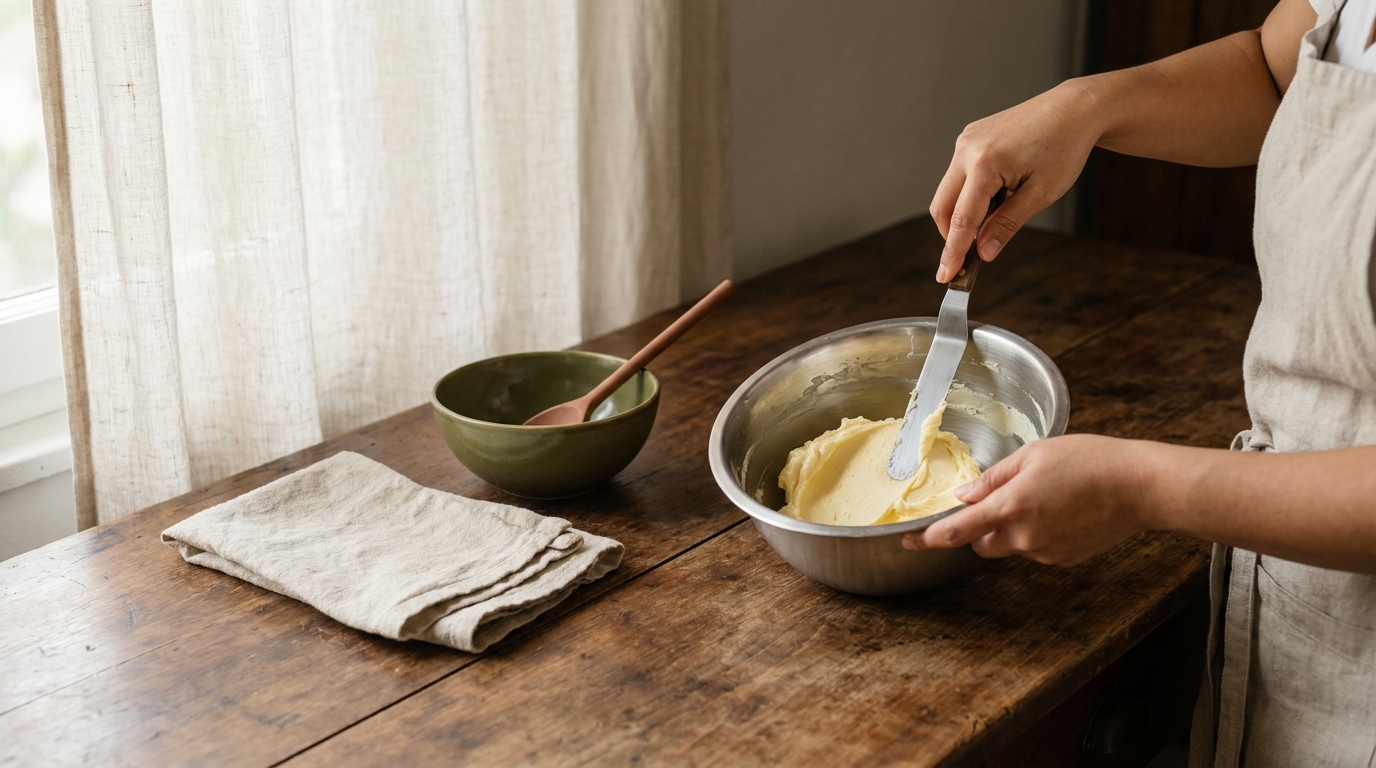
How to tell if your buttercream is split or overmixed
Start by scanning the bowl: a split buttercream usually shows one of two looks, either curdled clumps with a grainy texture or a thin, glossy puddle at the bottom, and this distinction guides the fix. Observing those visual signs early helps you choose whether to warm, chill, degas or re-emulsify, as troubleshooting guides explain and illustrate common symptoms in Swiss meringue buttercream and other types Serious Eats Swiss meringue buttercream guide.
Definition matters: when meringue-based buttercreams split it usually means the emulsion has broken and liquid or curdled-looking bits separate from the fat, while in American buttercream an overmixed batch may simply be over-aerated, very light and filled with visible bubbles rather than truly separated. Knowing that split refers to a broken emulsion and over-aeration describes too much air is the first step to recovery The Kitchn broken buttercream explanation.
Look for reliable visual cues: lumps or a grainy mouthfeel point to curdling, free liquid or a glossy thin puddle signals separation, and a fluffy, bubble-filled texture suggests excess air rather than an emulsion failure. Each of those signs maps to a different rescue path in most troubleshooting references BBC Good Food buttercream troubleshooting.

Temperature and air work together. High-speed mixing after the emulsion forms will trap extra air, and a small rise or fall in bowl temperature often decides whether that unstable mix looks grainy or soupy. That is why many modern guides advise finishing on low speed and managing bowl temperature to avoid pushing the emulsion past its limit.
American buttercream and meringue buttercreams behave differently under the same stresses: a very fluffy American buttercream usually needs degassing and a short low-speed finish, while Swiss or Italian meringue buttercream typically needs temperature rebalancing because its stability depends on the meringue emulsion. Recognizing which type you made will help you pick actions that preserve texture and flavor Serious Eats Swiss meringue buttercream guide.
If you are not sure which type you have, check your recipe memory: did you whip egg whites and sugar into a meringue base before adding butter? If so, treat curdled or soupy results as an emulsion issue rather than mere over-aeration, and plan to adjust temperature first The Kitchn meringue buttercream guidance.
Quick diagnosis: is it curdled, soupy, or just over-aerated?
Run three fast tests in under a minute to classify the fault: 1) Look for free liquid pooled at the bottom of the bowl. 2) Press a spoon through the frosting to judge how it shears and whether lumps break apart. 3) Pinch a tiny sample to assess temperature and mouthfeel; cold curdles feel grainy and cling, warm soupy mixes slip and pour. These quick checks map to different fixes and are simple to perform while the buttercream is still in the mixer bowl The Kitchn broken buttercream tests.
Test two: the bowl-warmth check. Gently rest the side of your hand against the outside of the mixing bowl for a few seconds; if the bowl feels quite cool the batch may be too cold and the emulsion can look curdled, while a noticeably warm bowl suggests the mix could be soupy from melted fat. Temperature is the primary driver for meringue-style buttercreams and noticing bowl warmth helps you decide whether to warm or chill briefly Serious Eats tips on meringue buttercream temperature.
Can you overmix buttercream and how do you fix it?
Yes. Overmixing can cause excess air or, with temperature shifts, a broken emulsion; diagnose if the issue is curdled, soupy, or over-aerated and then warm, chill, degas and re-emulsify on low as appropriate.
Test three: spoon-shear and bubble check. Push a spoon through the frosting; if it breaks cleanly but collapses into a cloud of bubbles you are likely dealing with over-aeration in an American buttercream, which calls for degassing. If the spoon hits lumps or pulls a glossy stream with a puddle forming, you are likely facing an emulsion problem that needs temperature correction and gentle re-emulsifying BBC Good Food on buttercream texture.
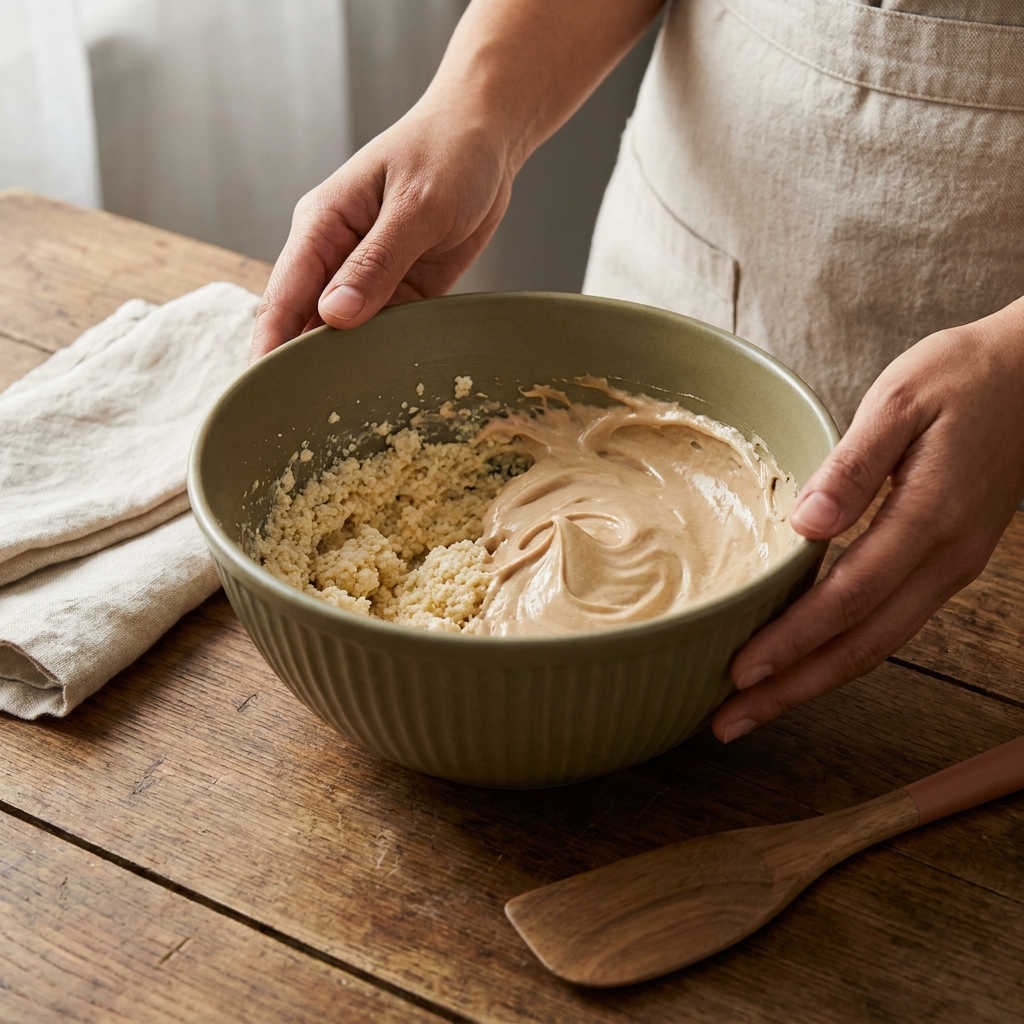
Diagnosing quickly saves time. When you can identify curdled versus soupy versus over-aerated within a minute, you avoid applying the wrong fix and making the problem worse, such as over-chilling a curdled meringue or over-warming a soupy American buttercream.
Remember that the same batch can show mixed symptoms: a meringue buttercream may look curdled at the top while pooling at the bottom, so prioritize the texture that affects spreadability and flavor first and then use short, targeted interventions rather than long, repeated fixes The Kitchn troubleshooting steps.
Core steps: how to fix split buttercream, explained step by step
Use a simple framework: diagnose whether the buttercream is curdled or soupy, then either gently warm and re-emulsify (for curdled) or chill and re-whip (for soupy), and finish with low-speed mixing to remove excess air. That prioritized approach keeps fixes focused and reduces the risk of repeating temperature swings or overworking the emulsion.
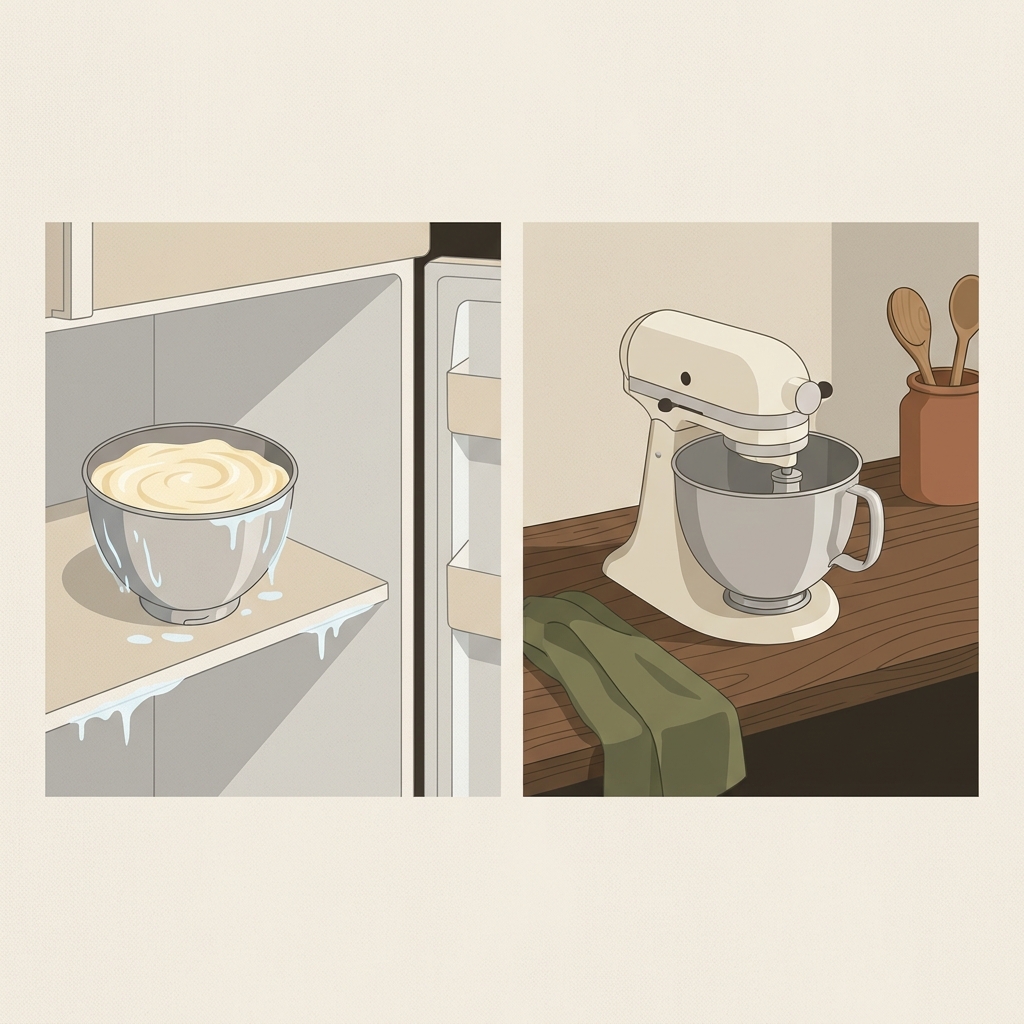
Step 1, prepare the tools and plan short bursts: stop mixing, scrape the bowl and inspect, have a bowl of warm water for controlled warming and a chilled area or fridge for short bench chilling, and set your mixer to low speed. Using brief, measured interventions is safer than trying long continuous warming or mixing sessions and helps you re-establish a stable texture Serious Eats practical tool suggestions.
quick rescue steps to re-emulsify or chill buttercream
Step 2, if the batch looks curdled: gently warm the bowl sides to bring the mix toward room temperature, then run the mixer on low to let the meringue and fat rebind. A safe method is to sit the mixing bowl in a shallow warm water bath for short 15 to 30 second intervals, testing between bursts, and then use short low-speed mixing bursts to coax the emulsion back together The Kitchn method for curdled buttercream.
Step 3, if the batch is soupy: stop mixing and chill the bowl briefly so the fat firms up, then re-whip on low for short intervals until structure returns. Chilling times vary with ambient temperature and batch size, so work in small increments and avoid freezing; a short bench chill or a few minutes in the fridge is usually enough to firm soupy buttercream without altering flavor.
Step 4, when re-emulsifying, always finish on low speed. Once the mix looks smooth again, use a low-speed "degas" spin of 10 to 30 seconds to let large air pockets settle and avoid recreating an over-aerated texture. This finishing step preserves mouthfeel and helps the frosting hold piping shapes without being brittle or collapsed Serious Eats on finishing mixes.
Step 5, consider small additions only after the emulsion responds. For meringue buttercreams that stubbornly resist smoothing, a spoonful of room-temperature softened butter or a short burst of low-speed mixing can nudge stability, but avoid adding large amounts at once because that can flip conditions the other way and cause renewed separation.
Step 6, for American buttercream that is over-aerated, degassing is often the fastest rescue: stop the mixer, scrape down, then run at low speed for short intervals while gently pressing down on the frosting with a spatula to release large bubbles. If the texture still feels too soft, a measured addition of powdered sugar or a little meringue powder can firm the structure without turning the frosting dry Cook's Illustrated on stabilizing American buttercream.
Throughout the rescue, use short tests between steps rather than long continuous attempts; after each warming, chilling or mixing burst, pause and check the texture so you do not overshoot and create the opposite problem The Kitchn stepwise testing.
Practical fixes for common scenarios: exact actions to take
Curdled meringue buttercream, immediate fix: remove the bowl from the mixer, scrape down the sides and set the bowl in a shallow warm water bath for short bursts to bring the mix toward a stable temperature, then return it to the mixer and whisk on low until smooth. Controlled warming and low-speed re-emulsifying are the standard rescue steps most guides recommend for curdled meringue buttercreams The Kitchn curdled buttercream fix.
When warming, be cautious: avoid prolonged exposure to hot water or direct heat which can melt butter and make the problem worse; use short 10 to 30 second warming bursts, test, then mix briefly on low. If the bowl gets too warm, pause and let it cool a little before trying again so you do not push the batch into a soupy state.
Soupy buttercream, immediate fix: stop mixing and bench chill or put the bowl in the refrigerator for short periods to let the fat firm, then re-whip on low speed for short bursts until the texture returns. Chilling and re-whipping is the most reliable way to handle a melted or too-soft batch without adding starch or excess sugar.
American buttercream over-aerated: degas by stopping the mixer, using a spatula to press large bubbles out, and running the mixer on low to medium-low for a short time. If the buttercream remains unstable, adding a small amount of sifted powdered sugar or a touch of meringue powder can increase body and reduce sensitivity to temperature, but add gradually and test as you go Cook's Illustrated on stabilizers.
For persistent separation in meringue buttercreams after temperature correction, try adding a tablespoon of softened butter at a time while mixing on low; the small fat addition can help rebind the emulsion if the meringue itself is intact. This approach is recommended only after warming and low-speed mixing have had a chance to work, because adding butter to a cold or too-warm base can make splitting worse Serious Eats on adjusting buttercream.
Avoid repeated extreme temperature swings. Each cycle of heating then chilling stresses the emulsion; work in short bursts and let the frosting settle between attempts. If multiple short interventions fail to restore a smooth texture, consider whether salvage by combining small amounts into a fresh batch might be faster than continued attempts The Kitchn advice on repeated attempts.
If the flavor or texture is compromised after several rescue attempts, you can repurpose the mix in other ways rather than piping: thinly spread it as a filling between cake layers where texture is less obvious, or fold small amounts into whipped cream to make a flavored frosting, but do not claim these will restore original pipeability BBC Good Food on repurposing buttercream.
How to prevent overmixing and splitting: best practices for consistent results
Start with proper butter temperature: use cool, room-temperature butter rather than overly soft or warm butter, and add it gradually to a meringue base so the emulsion forms slowly and can incorporate fat without flipping. Many troubleshooting guides stress this as a core prevention step for Swiss and Italian meringue buttercreams Serious Eats on butter temperature.
Watch mixing speed and timing: stop high-speed mixing once the emulsion forms and finish with a short low-speed 'degas' spin to reduce excess air. Sustained high speeds after the emulsion is stable are a common cause of over-aeration or instability, so train the habit of switching to low speed for final smoothing.
Use stabilizers thoughtfully: in American buttercream, powdered sugar with its starch content or a little meringue powder can add body and reduce sensitivity to temperature, while meringue buttercreams usually need only careful temperature control and a touch more softened butter if they are slow to rebind. Treat stabilizers as a last step, not a substitute for proper technique Cook's Illustrated on stabilizers.
Keep ambient temperature steady. A hot kitchen will speed fat softening and raise the chance of a soupy batch, while a very cool environment can make a meringue appear curdled. If your kitchen swings between extremes, plan mixing and finishing near a stable surface and work in short bursts to reduce temperature drift BBC Good Food on ambient temperature.
Manage batch size and timing: avoid making very large batches that require long mixing times, and add butter in controlled amounts so the emulsion can form evenly. Smaller batches are easier to control for temperature and air incorporation, and many home bakers find success by splitting large recipes into two bowls to reduce risk Serious Eats practical batch tips.
Common errors, when to start over, and final checklist
Frequent mistakes that make splitting worse include repeated high-speed mixing after the emulsion forms, rapid temperature swings such as moving from warm to cold repeatedly, and adding large amounts of room-temperature or warm butter to a cold meringue base. Recognizing these mistakes helps you avoid them next time The Kitchn common mistakes.
When to start over: if two careful rescue attempts with temperature correction and low-speed re-emulsifying fail, and the frosting still shows persistent separation or an off texture, making a fresh small batch will often save time and ingredients. Re-making is a pragmatic choice when rescue steps begin to degrade flavor or require too many repeated cycles Cook's Illustrated on starting over.
Short checklist for next time: diagnose quickly, choose warming for curdled or chilling for soupy, use short bursts of corrective action, finish on low speed, and only add stabilizers or extra butter in small increments. Keep a note of butter temperature and ambient conditions so you can reproduce the successful steps.
Common salvage errors to avoid: do not pour hot water directly into the mixing bowl, do not blast the frosting with sustained high heat or long mixing sessions, and avoid adding large volumes of powdered sugar at once because that changes flavor and structure. Gentle, measured corrections give the best chance of rescue BBC Good Food warnings.
Frequently asked questions
What causes buttercream to split?
Split buttercream usually results from a broken emulsion due to temperature shifts or excess air; meringue-based frostings are sensitive to bowl temperature while American buttercream often separates by over-aeration.
Can I save curdled Swiss meringue buttercream?
Yes, gently warming the bowl and mixing on low in short bursts usually re-emulsifies curdled Swiss meringue buttercream; avoid overheating and test between attempts.
When should I remake the frosting?
If two careful rescue attempts fail and the texture or flavor is off, making a fresh batch is often faster and more reliable than repeated fixes.
Rescuing buttercream is mostly about careful diagnosis and small, controlled corrections. If the first two attempts do not restore a stable texture, consider making a fresh small batch to avoid wasting time. With practice you will learn the look and feel of a stable emulsion and build habits that prevent split buttercream before it starts.
References
- https://stirreddaily.com/guides/baking-and-bakeware/
- https://www.seriouseats.com/swiss-meringue-buttercream-frosting-recipe
- https://www.thekitchn.com/how-to-fix-broken-buttercream-221223
- https://www.bbcgoodfood.com/recipes/buttercream-icing
- https://stirreddaily.com/guides/prep-tools/
- https://www.seriouseats.com/how-to-fix-a-broken-swiss-meringue-buttercream
- https://www.sugarologie.com/recipes/how-to-fix-curdled-or-soupy-swiss-meringue-buttercream
- https://stirreddaily.com/guides/
- https://stirreddaily.com/journal/baking-and-bakeware/bakers-percentage/
- https://www.kingarthurbaking.com/blog/2025/06/23/how-to-fix-broken-buttercream