
The journal
My American buttercream looks curdled. How can I fix it?
how to fix split buttercream: simple, kitchen-tested steps to diagnose, warm or chill, re-emulsify, and stabilize curdled American buttercream.
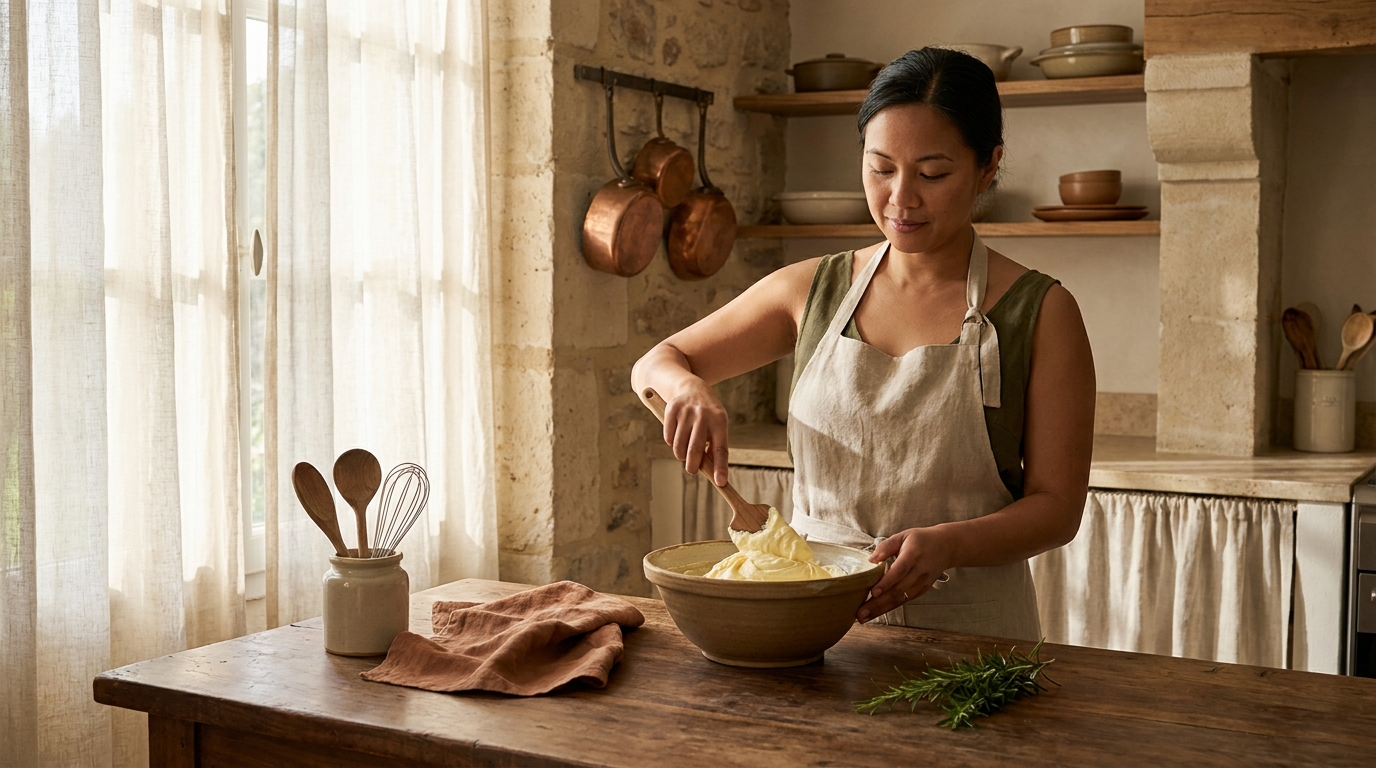
Quick answer: why your American buttercream looks curdled and what to try first
If your American buttercream looks curdled, it usually means the emulsion has been stressed and the fat and water phases have started to separate, most often because butter and any added liquid were at different temperatures or liquid was added too quickly; this is a texture problem rather than a food-safety issue, and it is often fixable without remaking the batch.
Try this first: stop mixing on high, switch to the paddle on low, and mix gently for 20 to 60 seconds while scraping the sides and bottom often; this slow re-emulsifying can be enough to bring a slightly curdled buttercream back together Serious Eats.
Two low-risk checks before more invasive steps: feel the bowl and the frosting—if the bowl is cool and the buttercream feels cold and lumpy, a gentle warming approach is appropriate; if the frosting feels warm and slick with visible oil, brief chilling will usually help The Kitchn.
Stop trying longer high-speed whipping if you see pools of clear oil forming despite remixing; visible oil separation after extended re-mixing suggests the emulsion has lost too much structure and you should move to structural fixes or remake the batch rather than keep whipping.
What 'curdled' means for buttercream
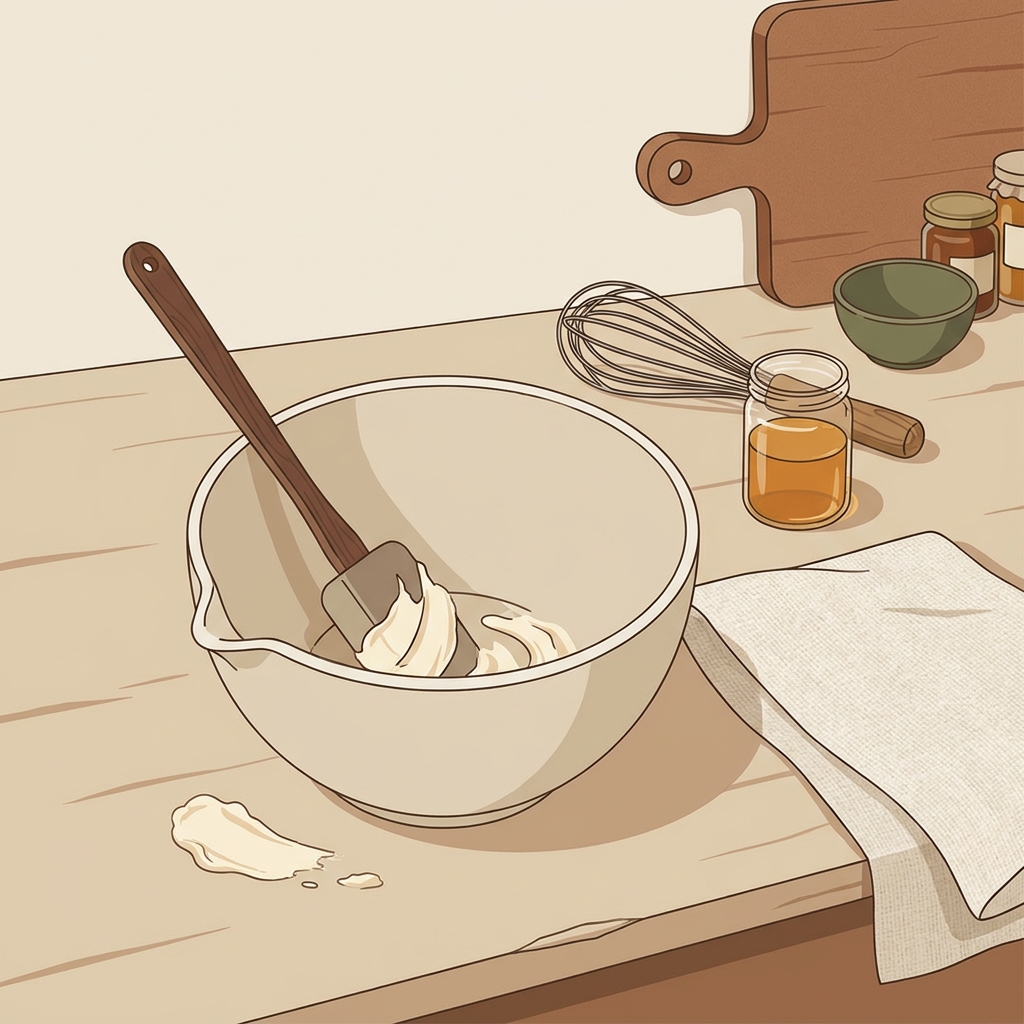
When bakers call buttercream "curdled," they mean the smooth, creamy emulsion looks grainy, lumpy, or broken—similar to how a sauce looks when the fat separates from the liquid. The word describes texture, not spoilage.
One-minute checks and immediate small fixes — how to fix split buttercream
Quick checks: scrape a spoon through the frosting to see if it moves as a single mass; smell it for anything off (rare); and test a small spoonful on room-temperature cake to judge spreadability. If it spreads thinly but lumps re-emulsify with gentle mixing, keep working slowly and avoid adding more liquid.
What actually causes American buttercream to split
The most common cause is a temperature mismatch between the butter and the liquid you add. Butter is mostly fat and needs to be close to room temperature for a stable emulsion; if butter is too soft or too cold relative to added milk, the emulsion can fail when you combine them Serious Eats.
Adding cold milk, cream, or fruit puree too quickly contributes directly to a split because those liquids increase the continuous water phase faster than the fat can surround and stabilize the droplets; introducing liquids in a thin stream or teaspoon by teaspoon reduces that risk The Kitchn.
Use a paddle attachment on low speed to re-emulsify split buttercream
Overwhipping is a third common issue: processing buttercream too long at high speed traps excess air and can make the texture appear grainy or foamy; switching to gentle low-speed smoothing helps reduce visible graininess without making the problem worse Cook’s Illustrated.
Temperature mismatch between butter and added liquid
Butter that is too cold resists incorporating liquids, so droplets of liquid hang in the mix and the batter looks curdled; butter that is too soft or warm can make the fat phase too thin and greasy. Both extremes upset the emulsion and produce a similar broken appearance Serious Eats.
Adding milk, cream, or fruit puree too quickly
Fruit purees often contain more water than milk and can break an emulsion even faster; adding them slowly and giving the mixture time to incorporate between additions is the practical preventive step most recipe notes recommend The Kitchn.
Overwhipping and oil separation
Overwhipping increases air and can break the structure by causing fat to release its liquid, which can pool and show as oily streaks; gentle low-speed mixing will tend to smooth air and reincorporate softer clumps without adding more ingredients Sally’s Baking Addiction.

Temperature-based rescues: when to warm and when to chill
Deciding whether to warm or chill depends on whether the buttercream feels cold and grainy or warm and greasy; each condition calls for a different rescue, and testing small amounts first avoids overcorrecting The Kitchn.
If the frosting is cold and curdled, a gentle, controlled warming of the bowl or a small warmed portion returned to the main batch while mixing slowly can help the fat and water phases re-form into a smooth emulsion Food52.
Why does my American buttercream look curdled and can I save it?
A curdled texture usually means the emulsion has broken from temperature mismatch or adding cold liquid too quickly; gentle warming or brief chilling followed by slow re-emulsifying often restores a smooth frosting.
For warm, greasy buttercream, a short chill—often five to ten minutes in the refrigerator—firms the butter enough that brief rewhipping on low speed can re-stabilize the mixture; this prevents further oiling out while still allowing smoothness to return The Kitchn.
How to test which rescue to try: scoop a teaspoon-sized amount into a small bowl and let it sit at room temperature for a minute to check feel; if it remains lumpy and cold, try gentle warming and slow mixing; if it becomes slick or shows oil, chill briefly then rewhip Food52.
Always avoid direct heat or microwave warming; incremental, gentle warming by setting the mixing bowl over warm water or rubbing the outside of the bowl with warm hands is safer and gives you control over the process Serious Eats.
Step-by-step: how to re-emulsify and remix split buttercream
Set up: fit a stand mixer with the paddle attachment, add the curdled buttercream, and start on the lowest setting; low shear encourages droplets to come back together without whipping in too much air Serious Eats.
Scrape and watch: mix for short bursts of 20 to 60 seconds, then stop and scrape the bowl well. If the texture improves, repeat until smooth. Frequent scraping ensures any clumps near the paddle are reincorporated into the mass rather than left behind as streaks.
Add liquids slowly: if you must add milk, cream, or puree, do so in a very thin stream or by teaspoons, pausing to let the mix emulsify between additions; this gives the fat phase a chance to coat new droplets and prevents repeating the split The Kitchn.
Small additions of corrected fat: if texture remains loose after slow remixing, add one tablespoon of softened butter at a time and mix on low to increase the fat phase; stop and taste after each addition because this will make the frosting richer Sally’s Baking Addiction.
Or tighten with sugar: to absorb excess moisture and tighten a too-loose buttercream, add confectioners’ sugar in small increments—one to two tablespoons at a time—mixing thoroughly between additions and tasting to avoid over-sweetening.
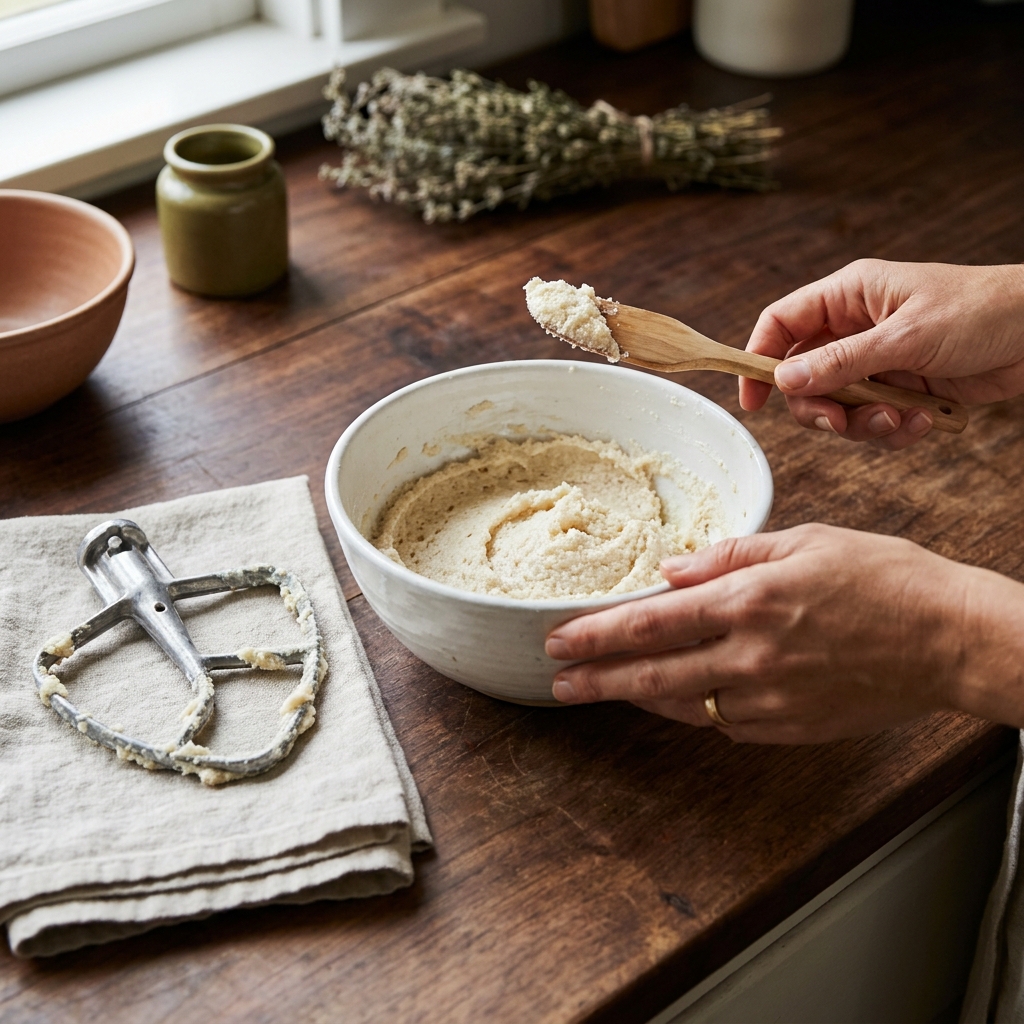
When a batch is almost recovered, run the paddle on low for a final minute to smooth graininess without incorporating more air; if you see improvement, stop and check again on a chilled spoon to confirm the texture holds.
Set up the mixer and use the paddle on low
Use the paddle rather than the whisk to prioritize folding and re-emulsifying over aeration; if you have only a hand mixer, use the lowest speed and a wide scraping motion to minimize trapped air Serious Eats.
Add liquids slowly and in a thin stream
Think "dribble, then wait": small additions with pauses let the emulsion absorb the new liquid without becoming overwhelmed. This is the same principle behind adding oil to a vinaigrette slowly so the sauce stays smooth The Kitchn.
Add a small amount of softened butter or powdered sugar if structure is weak
Softened butter boosts the fat fraction, which can pull a weak emulsion back together; powdered sugar absorbs free moisture and makes the mix firmer. Choose one approach at a time and test so you can control sweetness and richness Food52.
If re-emulsifying fails: adding structure and balancing trade-offs
When slow remixing and temperature adjustments do not restore structure, you have two main, practical options: add fat to rebuild the emulsion or add sugar to absorb moisture and tighten the texture. Both work but change the frosting in predictable ways Sally’s Baking Addiction.
Choose butter when you want to preserve flavor balance and avoid extra sweetness: add one tablespoon of softened butter at a time, mix on low, and taste. Each tablespoon increases richness and can improve stability because it provides more fat for the emulsion to work with The Kitchn.
Choose confectioners’ sugar when you need a firmer texture and don’t mind extra sweetness: add sugar in small increments and accept that you may need to rebalance with a touch of salt or a small squeeze of lemon if the result tastes overly sweet.
Avoid overcorrection: large additions of butter can make the frosting greasy, and too much sugar will overwhelm flavor and mouthfeel. If you reach a point where multiple additions are not producing a pleasant result, it may be simpler to remake the batch with closer temperature control.
When to add more butter vs more sugar
If the buttercream tastes balanced but lacks body, add butter in small increments; if it tastes thin or watery, sugar will help. Stop early and taste between additions so you do not overshoot your target texture Food52.
How additions change flavor and richness
Each tablespoon of butter increases richness and can mute bright flavors, while each few tablespoons of confectioners’ sugar increase sweetness and can make the frosting seem stiffer. Consider cake pairing when choosing your fix.
Avoiding overcorrection
Taste between every change and remember you can always add a little more butter or sugar but you cannot remove it; if you are unsure, err on the side of smaller increments and longer mixing so you keep control over the final balance Sally’s Baking Addiction.
Checklist: quick troubleshooting, smoothing and when to start over
Quick diagnostic checklist: check bowl temperature, check frosting feel, check for visible oil, and test a small spoonful on cake. If cold and lumpy, warm gently; if warm and oily, chill briefly; if oil pools visibly after remixing, consider structural fixes or remaking the batch.
Final smoothing: run the paddle on low for one to three minutes to reduce graininess; if the mixture becomes too light, stop and rest it briefly in the fridge on a warm day before final assembly Cook’s Illustrated.
Storage and serving: store filled cakes at the temperature recommended for your recipe; undressed buttercream holds best at cool room temperature for short windows, and refrigeration will firm frosting for transport but may require gentle rewhipping before serving to restore spreadability Food52.
When to start over: if you have added many tablespoons of butter or a large amount of sugar and the buttercream no longer tastes or looks right, or if clear oil pools visibly and will not reincorporate after all reasonable fixes, remaking the batch with closer temperature control is often faster and cleaner than continued patching.
Small habit changes to prevent future splits: bring butter carefully to a predictable room temperature, add liquids slowly, and prioritize low-speed mixing when combining fat and liquid phases; these simple steps reduce the chance that you will need a rescue at all Serious Eats.
Frequently asked questions
Will a curdled buttercream make my cake unsafe to eat?
No. Curdled buttercream refers to texture and a broken emulsion, not spoilage; if it smells normal and was handled safely, the issue is cosmetic and usually fixable.
Can I fix buttercream that split after adding fruit puree?
Often yes. Re-emulsify slowly on low speed and add puree in very small amounts; if the texture remains loose, tighten with small amounts of confectioners sugar or add a tablespoon of softened butter.
How do I prevent buttercream from splitting next time?
Bring butter to a consistent room temperature, add liquids slowly, and mix on low with the paddle to form the emulsion before increasing speed.
A curdled appearance is frustrating, but it is usually a fixable texture problem—not a ruin. Slow, patient adjustments and small additions let you control the result and often save the batch. If a few gentle rescues do not restore a pleasant texture, remaking the buttercream with closer temperature control is a reasonable choice and often quicker than repeatedly patching an overcorrected mix.
References
- https://www.seriouseats.com/american-buttercream-troubleshooting
- https://www.kingarthurbaking.com/blog/2025/06/23/how-to-fix-broken-buttercream
- https://www.thekitchn.com/how-to-fix-a-broken-buttercream-249480
- https://www.seriouseats.com/how-to-fix-a-broken-swiss-meringue-buttercream
- https://www.sallysbakingaddiction.com/vanilla-buttercream-frosting/
- https://www.food52.com/blog/25065-how-to-fix-broken-buttercream
- https://www.delish.com/kitchen-tools/kitchen-secrets/a69839715/how-to-fix-broken-buttercream/
- https://thevanillavalley.co.uk/blog/7-easy-ways-fix-common-buttercream-problems-home
- https://stirreddaily.com/tools
- https://stirreddaily.com/guides/prep-tools/
- https://stirreddaily.com/guides/baking-and-bakeware/