
The journal
Should you wash a wooden cutting board with soap?
Yes. Wash a wooden cutting board with mild dish soap and hot water, rinse well, and dry upright. Never soak it or put it in the dishwasher.
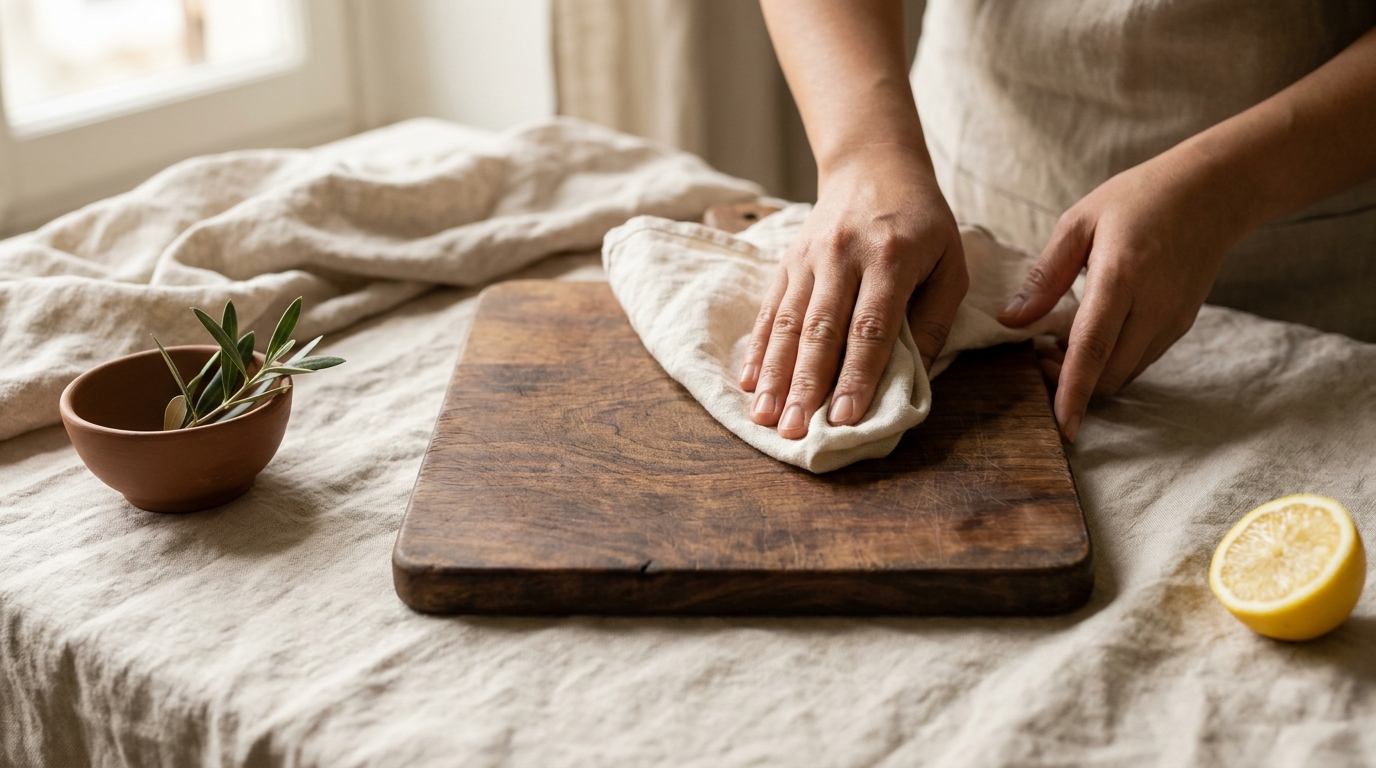
Yes. Wash a wooden cutting board with mild dish soap and hot water, rinse thoroughly, and dry it upright. Do not soak it or run it through the dishwasher, which can warp or crack wood. Wash both sides so the board dries evenly and stays flatter over time (https://www.nytimes.com/wirecutter/guides/how-to-clean-wood-cutting-boards/).
How to wash a wooden cutting board (everyday use)
Simple, safe steps
- Scrape away bits with a bench scraper or spatula, then rinse the surface.
- Use a sponge and hot, soapy water to clean the board. A mild, unscented dish soap is recommended. Wash both sides and the edges to prevent uneven drying and warping (https://www.nytimes.com/wirecutter/guides/how-to-clean-wood-cutting-boards/).
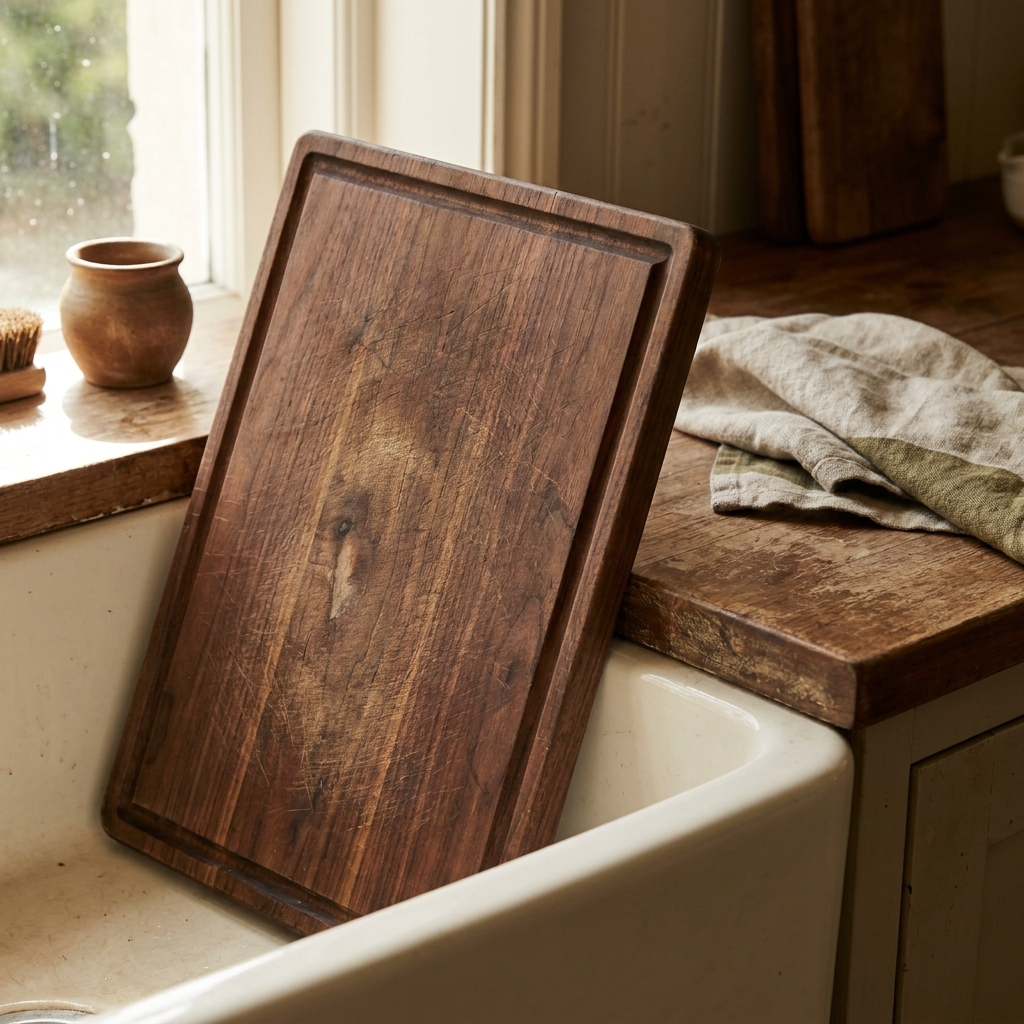
- Rinse well, towel-dry, then stand the board on its edge (or on its feet) to air-dry completely before storing (https://www.nytimes.com/wirecutter/guides/how-to-clean-wood-cutting-boards/).
When you need more than soap
For most kitchen tasks, hot water and dish soap are sufficient. To reduce cross-contamination risk, keep a separate board for raw meat, poultry, or seafood and another for produce and bread (https://www.nytimes.com/wirecutter/guides/how-to-clean-wood-cutting-boards/).
If you feel you must sanitize after raw proteins, be aware that while a dilute chlorine bleach solution is sometimes suggested by food-safety authorities, Wirecutter found it dries out and discolors wood and does not recommend it for routine use. Vinegar solutions can help with odors but are not registered disinfectants, so do not rely on them to sanitize (https://www.nytimes.com/wirecutter/guides/how-to-clean-wood-cutting-boards/).
Odors, stains, and routine conditioning
Deodorize and lift light stains
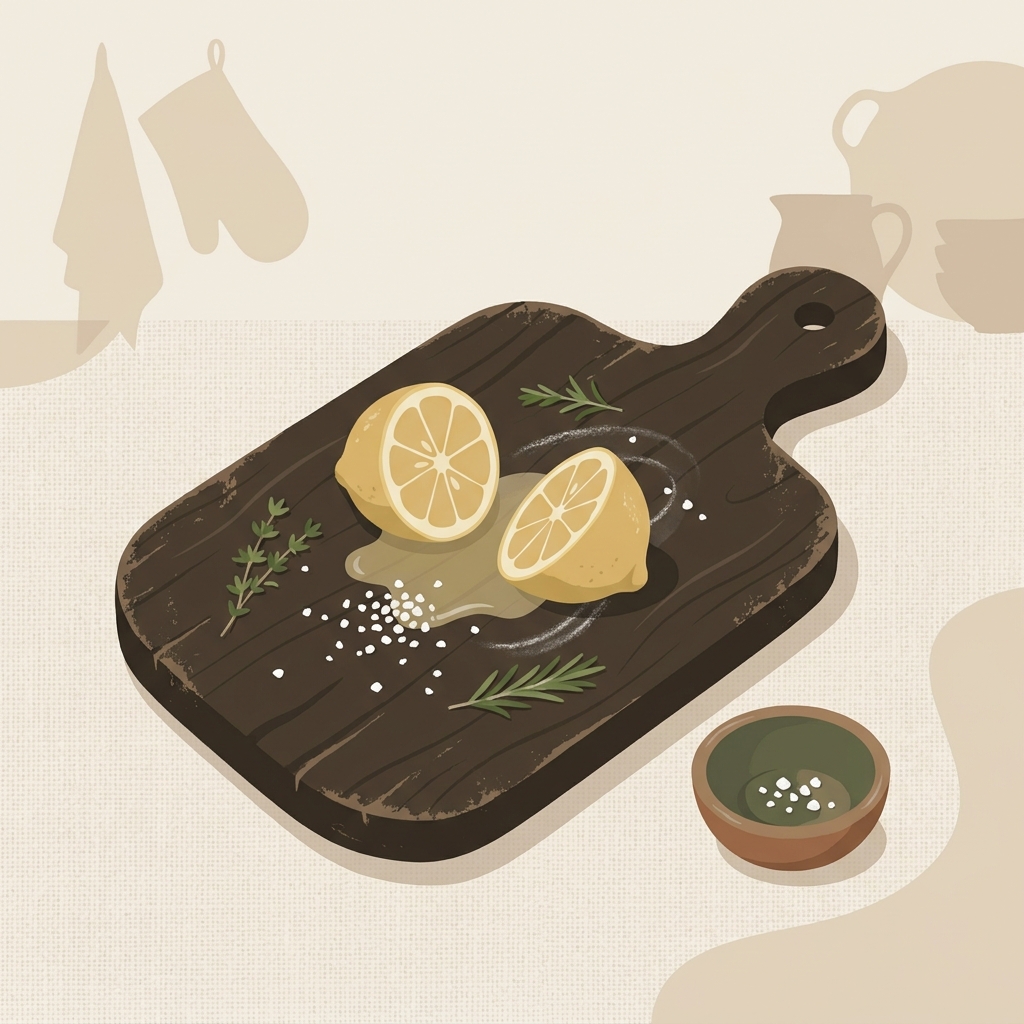
- Lemon + salt: Sprinkle kosher salt, rub with half a lemon, let it dry, scrape off, then wash and dry. Test a small spot first if your board has a special finish (https://www.nytimes.com/wirecutter/guides/how-to-clean-wood-cutting-boards/).
- Baking soda slurry: For stubborn stains, gently rub a paste of baking soda and water, then rinse and dry (https://www.nytimes.com/wirecutter/guides/how-to-clean-wood-cutting-boards/).
- Vinegar for smells: A 25% distilled white vinegar and 75% water spritz can help deodorize. Stand the board upright to dry fully. Remember, this is for odor control, not disinfection (https://www.nytimes.com/wirecutter/guides/how-to-clean-wood-cutting-boards/).
Oil and wax to protect the wood
After the board is completely dry, condition it with food-grade mineral oil, then apply a food-safe beeswax or wax blend to help seal in the oil. Do this about monthly or whenever the board looks dry. A quick check: if water beads on the surface, you’re good; if it soaks in or spreads, it’s time to re-oil (https://www.nytimes.com/wirecutter/guides/how-to-clean-wood-cutting-boards/).
Common mistakes to avoid
- Dishwasher or soaking: Avoid both. Prolonged heat and water can warp or crack wooden boards. Hand-wash only, and never submerge a wood board in a sink of water (https://www.nytimes.com/wirecutter/guides/how-to-clean-wood-cutting-boards/; https://www.josephjoseph.com/blogs/news/how-to-clean-wooden-chopping-board).
- Washing only one face: Always wash and dry both sides to minimize warping (https://www.nytimes.com/wirecutter/guides/how-to-clean-wood-cutting-boards/).
- Storing damp: Towel-dry and stand upright to air-dry fully before putting away, which helps prevent mildew (https://www.nytimes.com/wirecutter/guides/how-to-clean-wood-cutting-boards/).
When to replace a wooden board
- Deep cracks or visible separation can harbor bacteria; avoid using cracked boards (https://www.nytimes.com/wirecutter/guides/how-to-clean-wood-cutting-boards/).
- Persistent mildew (often clusters of small black spots) usually means it’s time to retire the board, unless a professional refinishes it (https://www.nytimes.com/wirecutter/guides/how-to-clean-wood-cutting-boards/).
- Severe warping that won’t sit flat is a sign to replace.
Everyday wood board care checklist
FAQ
Can I put a wooden cutting board in the dishwasher?
No. Dishwashers and soaking can warp or crack wood. Always hand-wash and dry upright (https://www.nytimes.com/wirecutter/guides/how-to-clean-wood-cutting-boards/).
Will soap damage the board?
No. Mild dish soap and hot water are the standard way to clean wood boards; just rinse thoroughly and dry both sides before storing (https://www.nytimes.com/wirecutter/guides/how-to-clean-wood-cutting-boards/).
How often should I oil my board?
About monthly for many kitchens, or whenever it looks dry. If water no longer beads, oil and then apply a food-safe wax (https://www.nytimes.com/wirecutter/guides/how-to-clean-wood-cutting-boards/).