
The journal
Which cheese cannot be frozen?
A practical answer to which cheeses you should avoid freezing (for quality), which ones freeze well, and how to wrap and thaw safely.
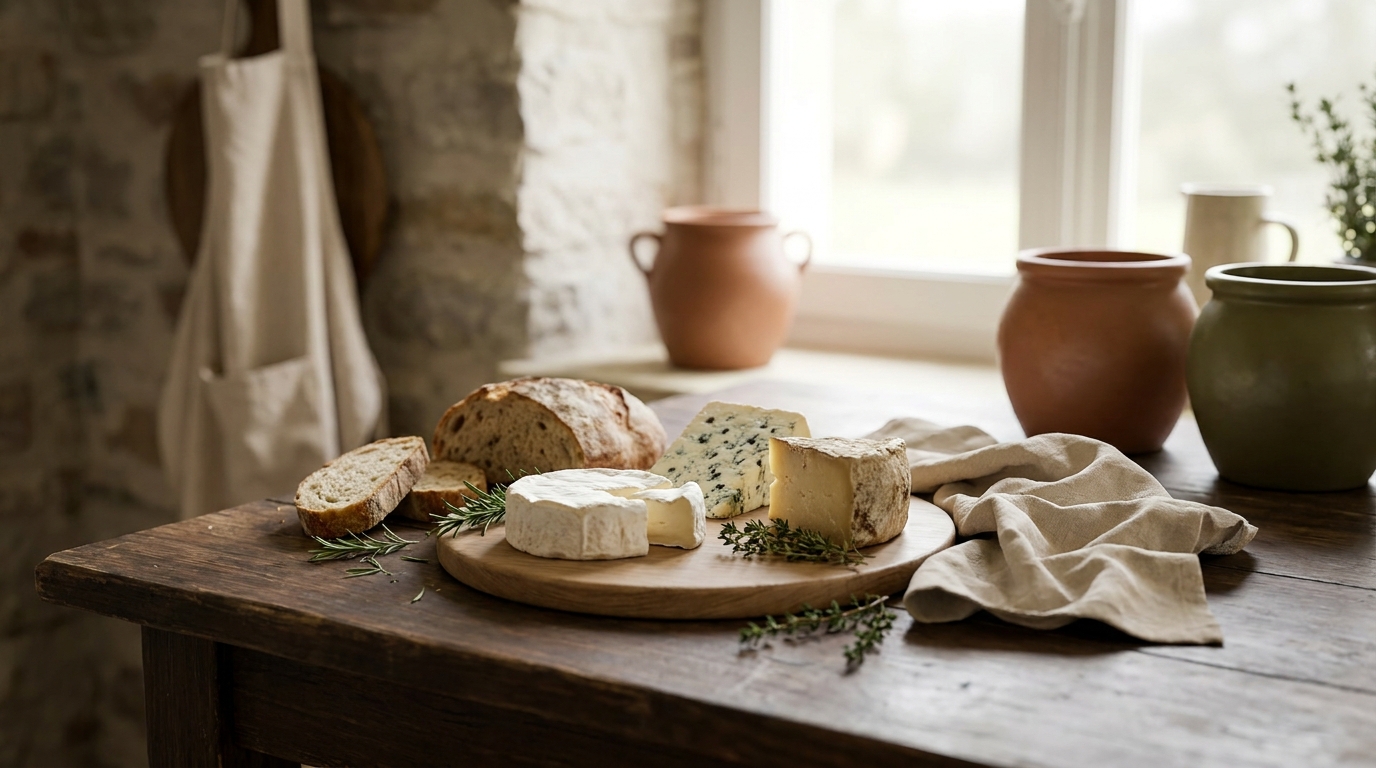
From a safety standpoint, you can freeze any cheese if it has been handled properly. The real issue is quality after thawing. Soft, fresh and high-moisture cheeses usually thaw grainy, watery or separated, so avoid freezing them if you care about their original texture (MedicineNet; NCHFP).
Cheeses that generally should not be frozen for quality
These types tend to lose their smooth, creamy structure when thawed. If frozen at all, plan to use them in cooked dishes where texture matters less:
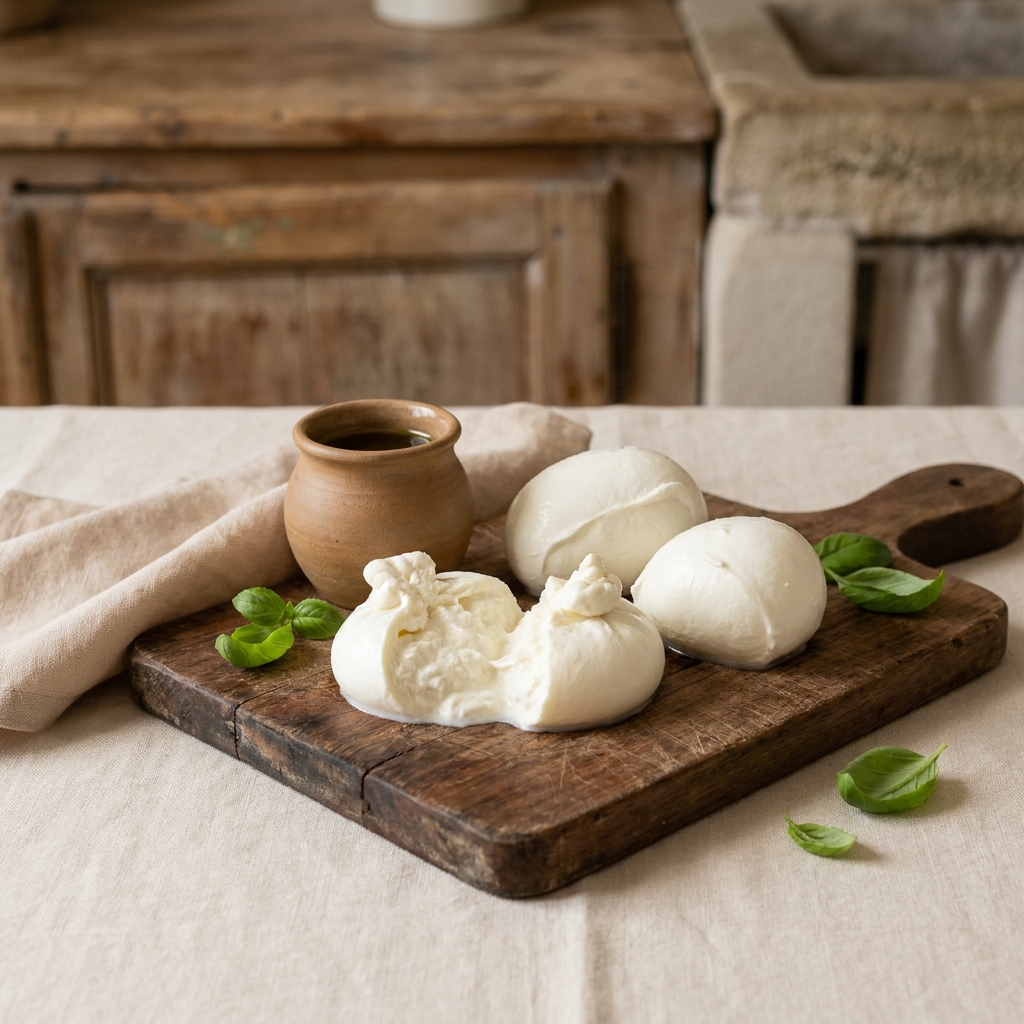
- Cottage cheese, ricotta and cream cheese: don’t freeze well due to separation and graininess (NCHFP; MedicineNet).
- Feta and queso fresco: high moisture and delicate curd become crumbly or mealy after thawing (MedicineNet).
- Soft-ripened cheeses like Brie and Camembert: often defrost poorly with pasty interiors and rind collapse (MedicineNet).
- Blue cheese: flavor holds, but texture commonly becomes very crumbly (MedicineNet).
Useful exceptions and notes
- Cream cheese can be frozen if first combined with heavy cream for dips or similar uses, per extension guidance (NCHFP).
- Texture loss is a quality issue, not a safety verdict. Properly frozen foods held at 0 F remain safe, though quality declines over time (MedicineNet).
Cheeses that freeze reasonably well
Hard and semi-hard cheeses with lower moisture usually tolerate the freezer best. Expect some crumbliness after thawing, but flavor generally holds and they work well in cooked dishes:
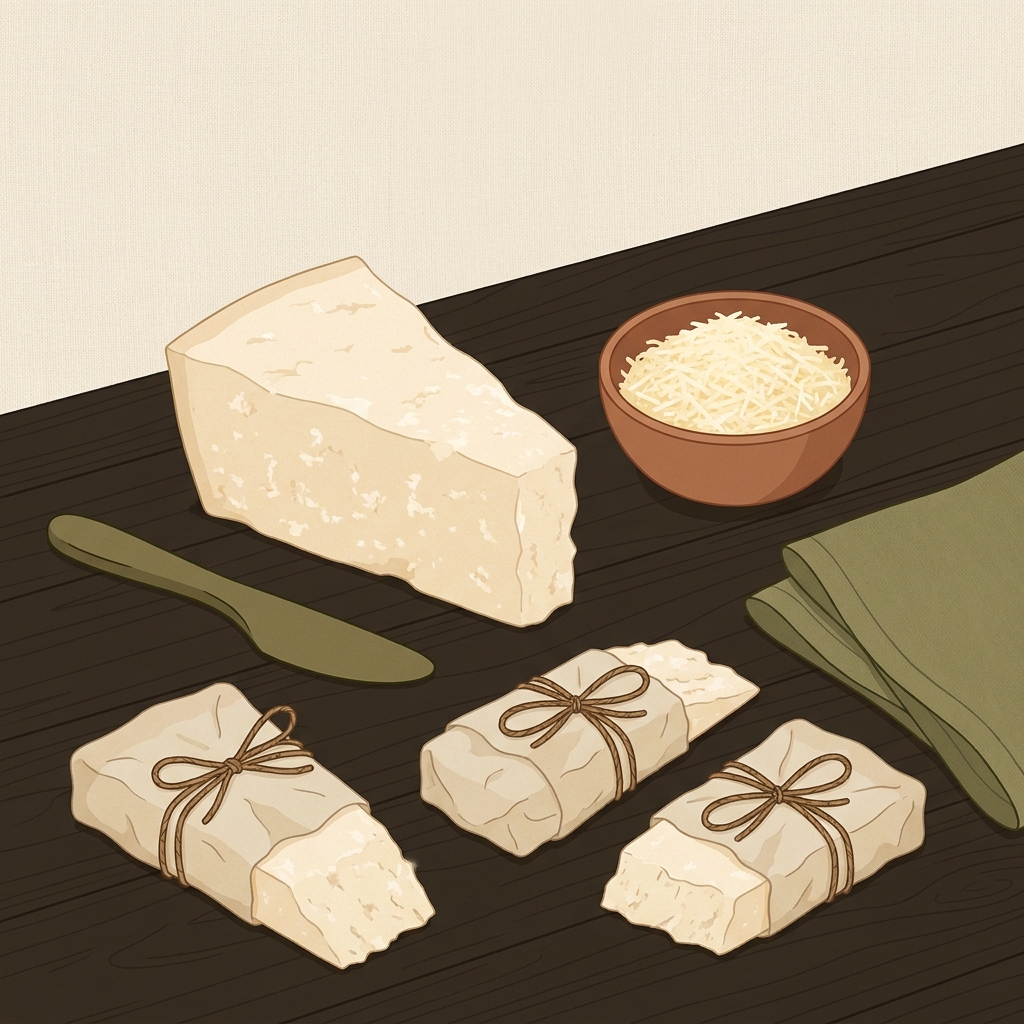
- Cheddar, Edam, Gouda, Monterey Jack, Muenster, Parmesan, Provolone, Romano, Swiss, and low-moisture mozzarella (MedicineNet; NCHFP).
Guidance notes that hard or semi-hard cheese can be frozen and may become crumbly or mealy but retains flavor. For best quality, aim to use within about 6 months (NCHFP).
How to freeze and thaw for best results
- Portion first: cut into 1/2- to 1-pound blocks, or shred/slice before packing (MedicineNet).
- Wrap well: use moisture-vapor-resistant wrapping, then place in an airtight freezer bag or container to limit freezer burn (NCHFP).
- Freeze quickly: rapid freezing helps reduce ice crystal size and quality loss (MedicineNet).
- Thaw slowly in the refrigerator in its wrapping. Previously frozen cheese is best for cooking, not for neat slices or cheese boards (MedicineNet).
Texture change vs food safety
Freezing damages the protein-fat network in higher-moisture cheeses, so they thaw crumbly, grainy or watery. That’s a texture and quality problem. When kept at a constant 0 F, frozen foods remain safe from microbial growth; quality is the limiting factor, not basic safety (MedicineNet).
Still, safe handling before freezing matters: start with fresh, clean cheese and chill promptly. For general cold-holding habits in the kitchen, see our guide on cooling leftovers before refrigerating.
Should I freeze this cheese? Quick checklist
Best uses after thawing
Use thawed cheese in casseroles, sauces, soups, baked pasta and gratins where melting masks texture changes (MedicineNet). If you’re also freezing breads to serve with a cheesy bake, see our packaging tips in Should I freeze bread in plastic or foil?
FAQ
Is Brie one that “cannot” be frozen?
It’s safe to freeze, but Brie often thaws with a pasty interior and compromised rind, so it’s a poor choice for freezing if you want its original texture (MedicineNet). Note that general freezer time tables may list long storage times even for soft cheeses, but quality still suffers (NCHFP).
Can I freeze cream cheese?
Not for fresh spreading quality. It thaws grainy. An exception: if combined with heavy cream for dips or similar, it can be frozen for later use (NCHFP).
Can I refreeze thawed cheese?
No. Thaw in the refrigerator and use promptly; repeated freeze-thaw cycles worsen texture and can raise safety risks if time-temperature control lapses (MedicineNet).