
The journal
Can I blind bake without weights? Practical methods and when to use them
how to blind bake pastry without weights: step-by-step options using sugar, tins, or docking to prevent puffing, slumping and soggy bases.
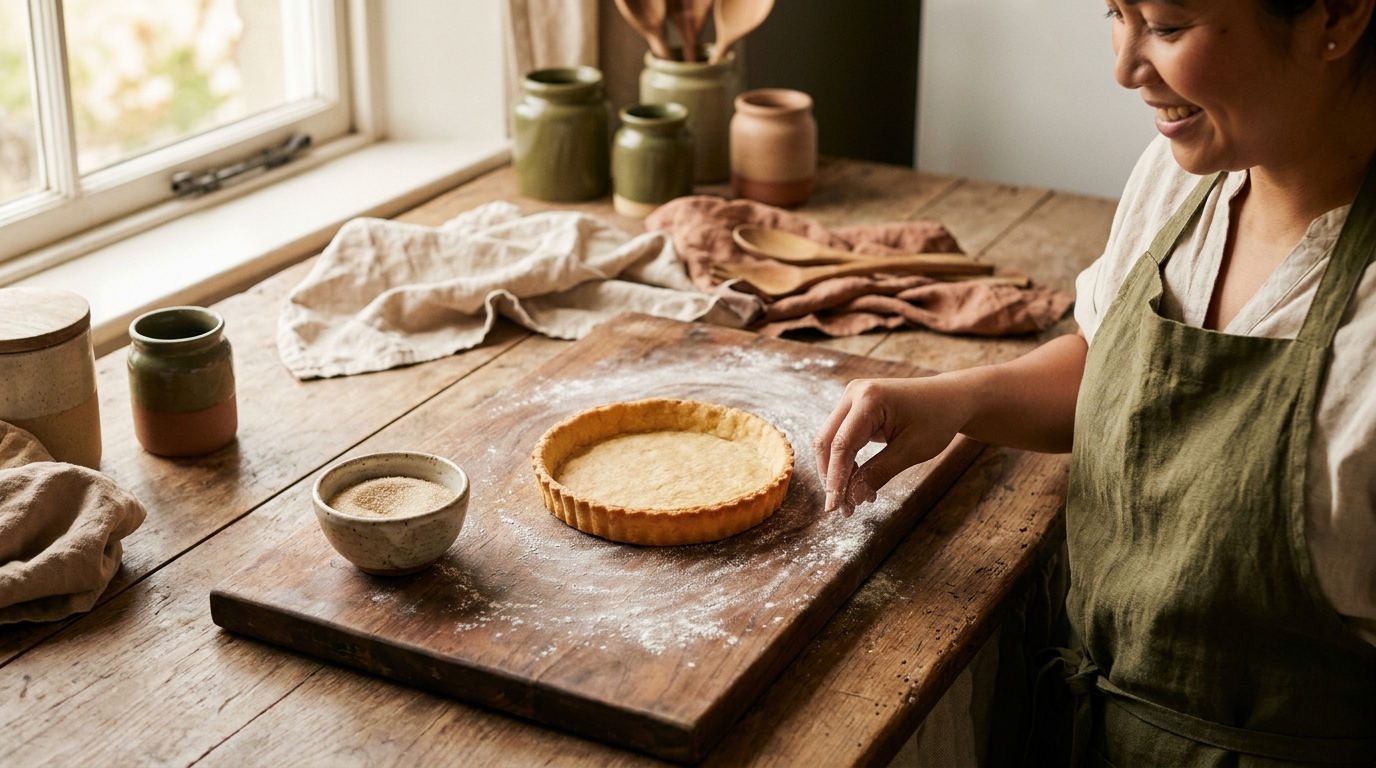
Definition and context: what blind baking is and why weights are used
Blind baking is the process of baking a pastry shell before it is filled so the base dries and the sides set. For home bakers wondering how to blind bake pastry when they do not have commercial pie weights, the goal is the same: stop the crust from puffing, prevent the edges from sliding down, and dry the base sufficiently for the filling you plan to use.
Pastry can behave in three common, unwanted ways in the oven: it can bubble on the base, puff in the middle, or shrink so the fluted edges lose their shape. Support during the first stage of blind baking keeps the sides in place and limits air expansion until the structure is set, which is why many recipes call for a liner plus weights during the initial bake Sally's Baking Addiction blind baking guide.
Can I blind bake pastry without weights?
Yes. You can blind bake pastry without dedicated pie weights by using techniques such as docking, heavy chilling or freezing, granulated sugar as a conforming weight, or a nested/press-fit tin to hold the sides during an initial supported bake.
When blind baking is necessary depends on the filling. Wet fillings that are not baked with the crust need a fully dried base; delicate creams and custards need a shell that will contain filling without turning soggy; and tarts with thin fruit or a fresh cream topping often benefit from a crisper, fully blind-baked shell.
When blind baking is necessary
Use full blind baking when the filling is unbaked or very moist, such as creams, some custards, or chilled fruit tarts. Partial blind baking may be enough when a filling will be baked in the shell for a long time, but even then initial support helps stop slumped sides and a soggy bottom.
What pie weights do and common substitutes, how to blind bake pastry
Pie weights act as ballast that conforms to the shell, keeping air trapped between pastry layers from expanding into bubbles and holding fluted edges upright. When you do not have dedicated weights, common substitutes include dried beans or rice, but granulated sugar and nested or press-fit tins are often better because they conform or hold shape more reliably.
Core framework: reliable ways to blind bake without weights
Across professional and home-baking sources, a clear two-stage workflow gives the most consistent result: first, set and support the shell for an initial bake with a liner and some form of weight or support; second, remove that support and finish the bake until the base is dry and any browning needed is achieved. That pattern reduces puffing and shrinkage while ensuring a crisp base The Kitchn on two-stage blind baking. You can also compare methods in The Kitchn's sugar-focused guide.
Another fundamental control is temperature and the dough state before it goes into the oven. Very cold dough resists sliding and shrinking; many bakers recommend a thorough chill or a short freeze of the shaped shell so edges hold their form when heat is first applied Sally's Baking Addiction on chilling.
Group the practical choices by how they control puffing and shrinkage. A support-first approach uses either a conforming fill that presses to the pastry, or a rigid support that holds the sides. Docking alone reduces steam buildup inside the base but relies on a very cold, sturdy dough and careful watch for bubbles. Choose according to the dough type you are using and the filling you will add.
Support-first approach
Support-first means the shell is kept fully supported during the initial oven heat so that the structure sets before the pastry becomes flexible. This can be a conforming fill like sugar that molds to the shape, or a rigid support such as a nested tin or a press-fit insert. Either way, the first bake sets the walls and prevents them from sliding down as the fat melts.
Conforming fills versus rigid supports
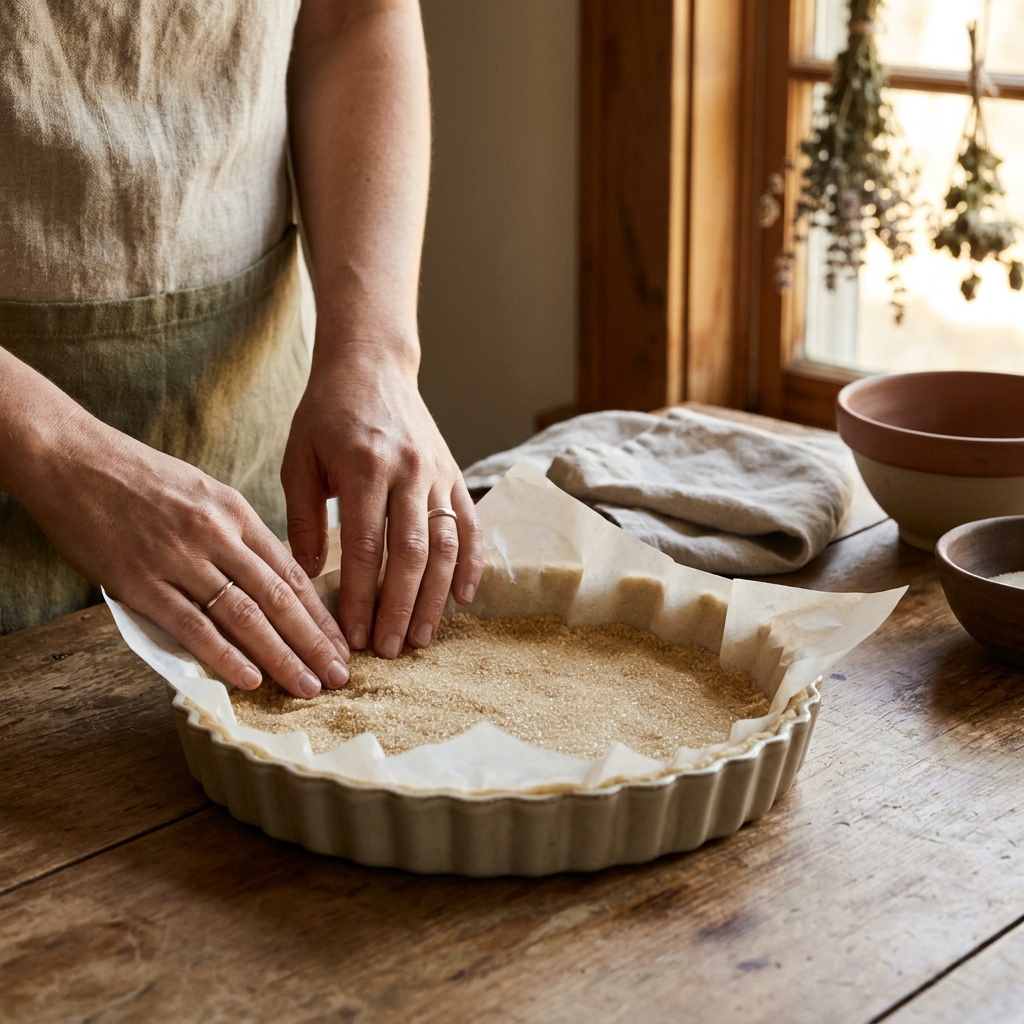
Conforming fills are loose, fine materials that press-to-fit the interior, with granulated sugar a frequently recommended choice because it settles into corners and follows fluted edges. Rigid supports, like a slightly smaller tin nested inside the shell, stop edge collapse without the loose material shifting, and are especially helpful for sloped or very delicate sides Serious Eats on sugar as a conforming weight.
Chill, freeze, and bake stages
Chill the shaped shell until very firm, often 15 to 30 minutes or briefly in the freezer. That cold start reduces dough elasticity and shrinkage when heat hits the pan. Then use a two-stage bake: an initial, support-assisted set, followed by weight removal and final drying and browning. This general pattern is used across test kitchens for consistent results Sally's Baking Addiction on chilling and staging.
Practical step by step: sugar, tins, docking and chilling
Below are concrete step-by-step procedures you can use to blind bake without dedicated pie weights. Each method begins with the same basic preparation: shape the dough into the pan, flute or crimp the edge if desired, chill until firm, and preheat the oven. See also Marie Saba's tutorial for a practical walkthrough.
For any method, line the shell with foil or parchment to protect the pastry from direct contact with the weight material and to make removal easy. Pack the weight substitute firmly so it sits evenly against the base and sides; this is particularly important with loose fills like sugar so there are no gaps that let the sides slump The Kitchn on lining and packing. For prep tools and recommendations, see our prep tools guide.
Using granulated sugar as a weight
Line the shell with parchment, press granulated sugar so it conforms to the shape and up against the sides, and bake for the initial stage until the edges begin to set. Sugar settles into flutes and corners more consistently than beans or rice and can be cooled and reused; toasted sugar can also be saved for another purpose, but let it cool fully before storing Serious Eats on sugar pie weights. Serious Eats also shows a step-by-step sugar method at Serious Eats' how-to.
When the initial bake is done, remove the sugar by pouring it into a bowl while still warm and set the shell back in the oven to finish until the base is dry and any browning you want is achieved. Pack and repack the sugar if you see gaps on a second attempt; redistribution is the normal cleanup step with loose fills Food52 on sugar weights and reuse.
Nesting or press-fit pans to support sides
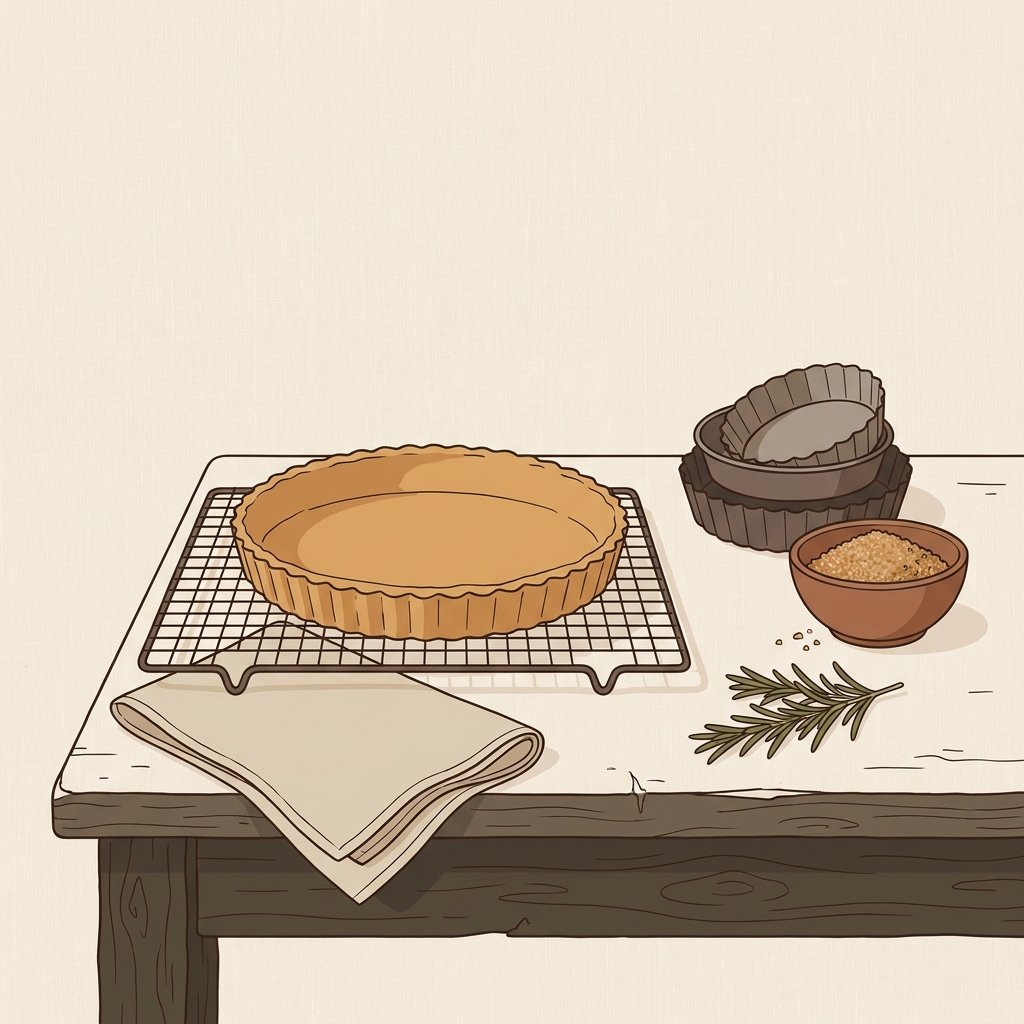
For fragile or sloped sides, use a nested tin or press-fit insert that matches the pan dimensions so the outer shell is held upright during the first bake. Line the shell, chill until firm, nest a slightly smaller pressed tin into the shell and bake until sides are set, then remove the inner tin and finish the base uncovered. You can also consult our guide to baking and bakeware for pan-fit tips.
This approach removes the uncertainty of loose fills and is easy to monitor because the inner pan stays in place; it is especially useful when your dough has detailed fluting that you want to keep intact The Kitchn on press-fit supports.
When docking alone is sufficient
Docking, or pricking the base with a fork, vents steam and can prevent bubbles for sturdy shortcrust or tart shells. Docking works best when the dough is very cold and the pastry is a dense, low-rise shortcrust that will hold shape. If bubbles appear during the bake, a quick mid-bake deflation by lifting the liner and pressing the bubble down can help, but that requires care.
If you choose docking only, chill the shaped shell thoroughly and watch the oven for the first signs of puffing so you can act early. Docking reduces but does not eliminate the need for cold dough and a staged bake for many delicate cases Sally's Baking Addiction on docking limits.
Decision guide: choose the best method for your recipe
Match method to pastry type and the filling’s moisture. For dense shortcrust with strong fluting, docking with a solid chill may be enough. For a fruit tart with thin, sloped sides or for a recipe that needs a perfectly even base, granulated sugar or a nested tin gives better security. When in doubt, use a support-first initial bake and then remove it to finish the base. Our general guides are available at Stirred Daily guides.
Checklist of factors to consider before you start: dough temperature, whether the edge is fluted, how wet the filling is, and how crisp you need the base. If any of those point to instability, prefer a conforming fill or a press-fit tin rather than docking alone Sally's Baking Addiction checklist.
Quick decision checklist to pick a blind-bake method
Use the checklist to choose: if Dough temperature is cold and Edge fluting is strong and Filling moisture is low, docking may be fine. If Filling moisture is high or the edge is delicate, choose sugar or a nested tin for the initial bake to reduce the risk of shrinkage and slumping.
Typical mistakes and how to avoid them
Warm dough is the most common cause of shrinkage and slumping. If you skip chilling and put a flexible shell into a hot oven, the melted fat lets the pastry slide down before it can set. The cure is to chill until firm and even briefly freeze the shaped shell if you suspect the dough is too soft Sally's Baking Addiction on chilling.
Insufficient support during the first stage allows sides to collapse. Loose beans or rice may leave gaps and do not conform well to fluted corners, which is why finer granulated sugar is often recommended as a better loose fill; it fills voids and presses into the shape of the pan Serious Eats on sugar versus beans.
If a bubble forms in a docked shell, pause the bake and lift the liner gently to press the bubble down, or allow the shell to cool somewhat and re-chill before re-baking. If edges slide mid-bake, a hard press-fit tin can be nested quickly to recover the shape during the first stage rather than risk an extended, uneven finish.
Practical scenarios and finishing tips
Fruit tart: a thin fruit topping and a crisp base benefit from sugar weights that press into the shell and then removal for a full finish bake so the base is dry. The staged approach prevents soggy bottom while preserving delicate fluting.
Custard pie or quiche: both need a shell that is at least mostly dry before the wet custard goes in. Use a support-assisted initial bake—either sugar or a nested tin—remove the weight and finish until the base is dry, then add filling to avoid a weeping or soggy bottom Sally's Baking Addiction on custard shells.
Finishing tips: after removing the liner and weights, return the shell to the oven and watch the base color and sound. A crisp base will feel firm and have a lightly browned color; if the recipe needs extra crispness, bake a few minutes longer on the lower rack. Test dryness by tapping the base gently or lifting a small corner to check for steam.
Closing practical checklist
Before you start: chill the shaped shell until firm, line with parchment or foil, choose sugar for conforming weight or a nested tin for fragile sides, and plan the two-stage bake so you can remove the support and finish the base.
During baking: watch for bubbles in docked shells, be ready to deflate mid-bake if needed, and remove weights as soon as the walls are set. After baking: finish until the base is dry and allow the shell to cool so any remaining steam dissipates before filling.

Frequently asked questions
Can I use sugar instead of pie weights?
Yes. Granulated sugar conforms to the shell, fills corners better than beans or rice, and can be reused after cooling.
Is docking alone enough for blind baking?
Docking can work for very sturdy shortcrust shells if the dough is thoroughly chilled, but it may not prevent bubbling for delicate or sloped sides.
How long should I chill the shaped shell before blind baking?
Chill until very firm, commonly 15 to 30 minutes, or briefly freeze for a firmer start if the dough feels soft.
If you only remember two things, keep the shell very cold before it goes in the oven and support it during the first bake. Whether you use granulated sugar, a nested tin, or careful docking, the two-stage set-then-finish method will help you avoid puffing and a soggy bottom. Try one method on your next tart and tweak timing for your oven; baking is iterative, and small adjustments will make the techniques steady parts of your routine.
Product options for this topic
As an Amazon Associate I earn from qualifying purchases. These are researched options, not hands-on test results. Check the exact size or model, current price and availability on Amazon.
| Product option | Fit and limits to check | Retailer |
|---|---|---|
| Nordic Ware Naturals half sheet, single pan | An aluminum sheet-pan option for baking and roasting. Measure your oven and recipe’s required pan dimensions; shallow rims are not a deep cake tin. | View on Amazon |